Altitude sickness in Cusco — my story
| Altitude | Cusco ~3,400m; Sacred Valley towns ~2,800m |
| Onset | Usually within 12–24 hours of arrival |
| Warning signs | Headache, nausea, breathlessness, disturbed sleep |
| Get help if | Confusion, pink/frothy cough, breathless at rest |
| Best fix | Sleep lower first, hydrate, do nothing on day one |
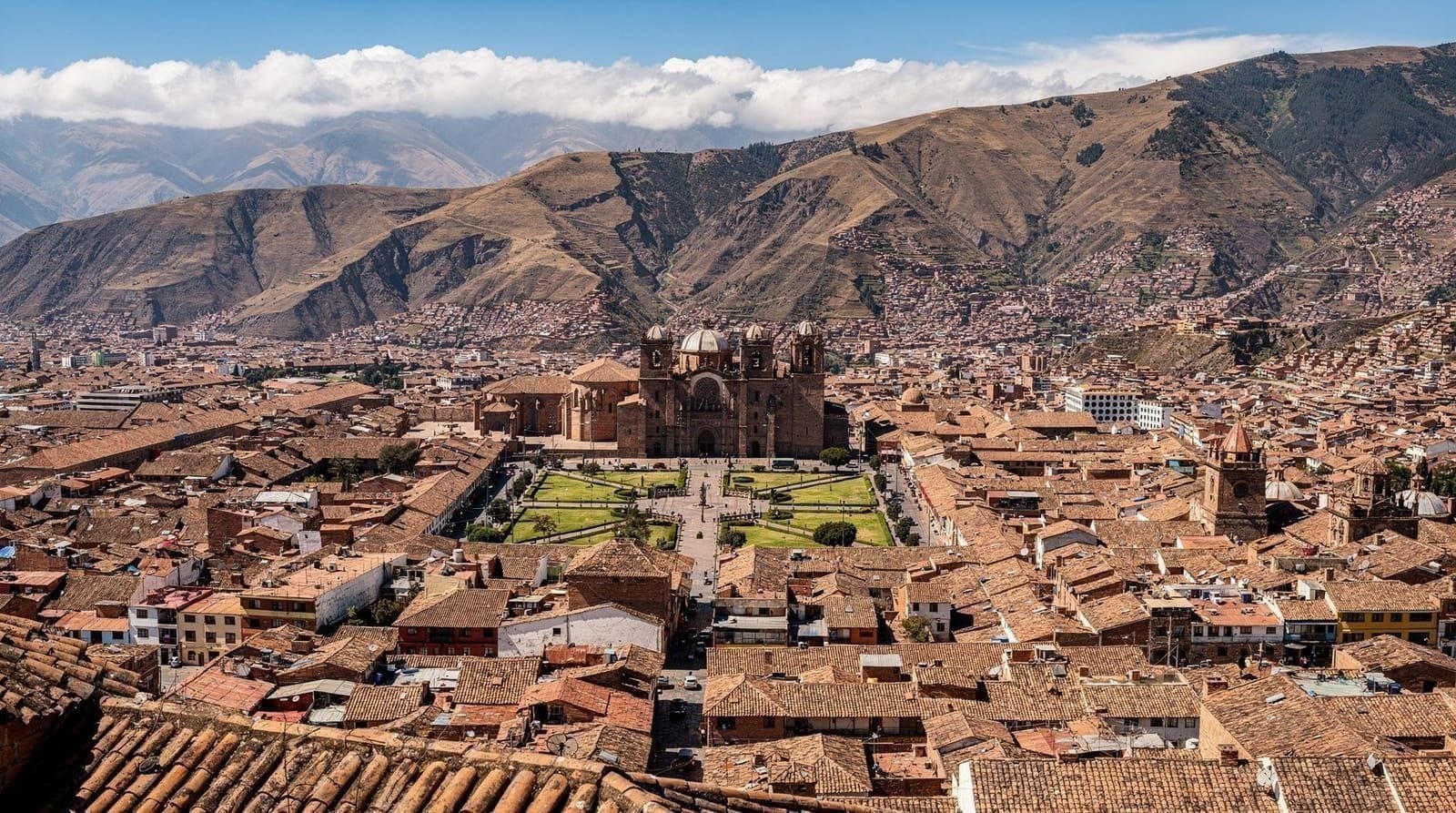
I run half marathons. I tell you that not to brag but because it’s exactly the reason I ignored every warning about altitude and ended up, on my second night in Cusco, sitting on a cold bathroom floor at 2am wondering if I needed a doctor. Soroche, as they call altitude sickness here, does not check your resting heart rate before it decides to ruin your evening.
The mistake I made before I even arrived
I flew straight from Lima, which sits at sea level, to Cusco at around 3,400 metres. That’s a brutal jump for the body to make in ninety minutes. Worse, I’d booked a tight schedule that had me doing a Sacred Valley tour on day two, because I’d convinced myself the “take it easy on arrival” advice was for people less active than me.
I also drank a beer on arrival night. One beer, to celebrate. I’d later read in the altitude sickness guide that alcohol is one of the worst things you can do in the first 48 hours because it dehydrates you and masks the early symptoms. At the time I felt fine. Smug, even.
How it actually started
The first sign wasn’t dramatic. Walking back to the hostel after dinner on night one, the gentle slope of Cusco’s streets left me weirdly out of breath, the way you’d feel jogging when you haven’t slept. I put it down to the long travel day. I slept badly, waking up several times gasping slightly, which I now know is classic — your breathing slows when you sleep and the thin air makes that worse.
Day two I went on the Sacred Valley tour anyway. Stubborn. By mid-afternoon at Ollantaytambo I had a headache pressing behind both eyes, I felt nauseous on the bus, and I couldn’t face the lunch that was included. I told myself it was the winding road. It was not the winding road.
The night it got bad
Back in Cusco that evening it escalated. A pounding headache that paracetamol wouldn’t touch. Nausea that turned into actually being sick. The horrible feeling of not being able to get a full breath no matter how deep I inhaled. And a kind of dizzy, detached fog, like I’d had three glasses of wine when I’d had none. By 2am I was on the bathroom floor because it was the only cool, flat place that felt stable.
What scared me most was not knowing where the line was between “miserable but normal” and “genuinely dangerous.” For the record, the warning signs that mean you need to descend and get medical help are: confusion, a cough with frothy or pink sputum, breathlessness even at complete rest, and being unable to walk a straight line. I had none of those. What I had was textbook acute mountain sickness — wretched, but not an emergency. Knowing that distinction beforehand, which the altitude guide lays out clearly, would have saved me a lot of panic.
What actually helped
The hostel night staff were calm and clearly used to this. Here’s what genuinely made a difference, in order:
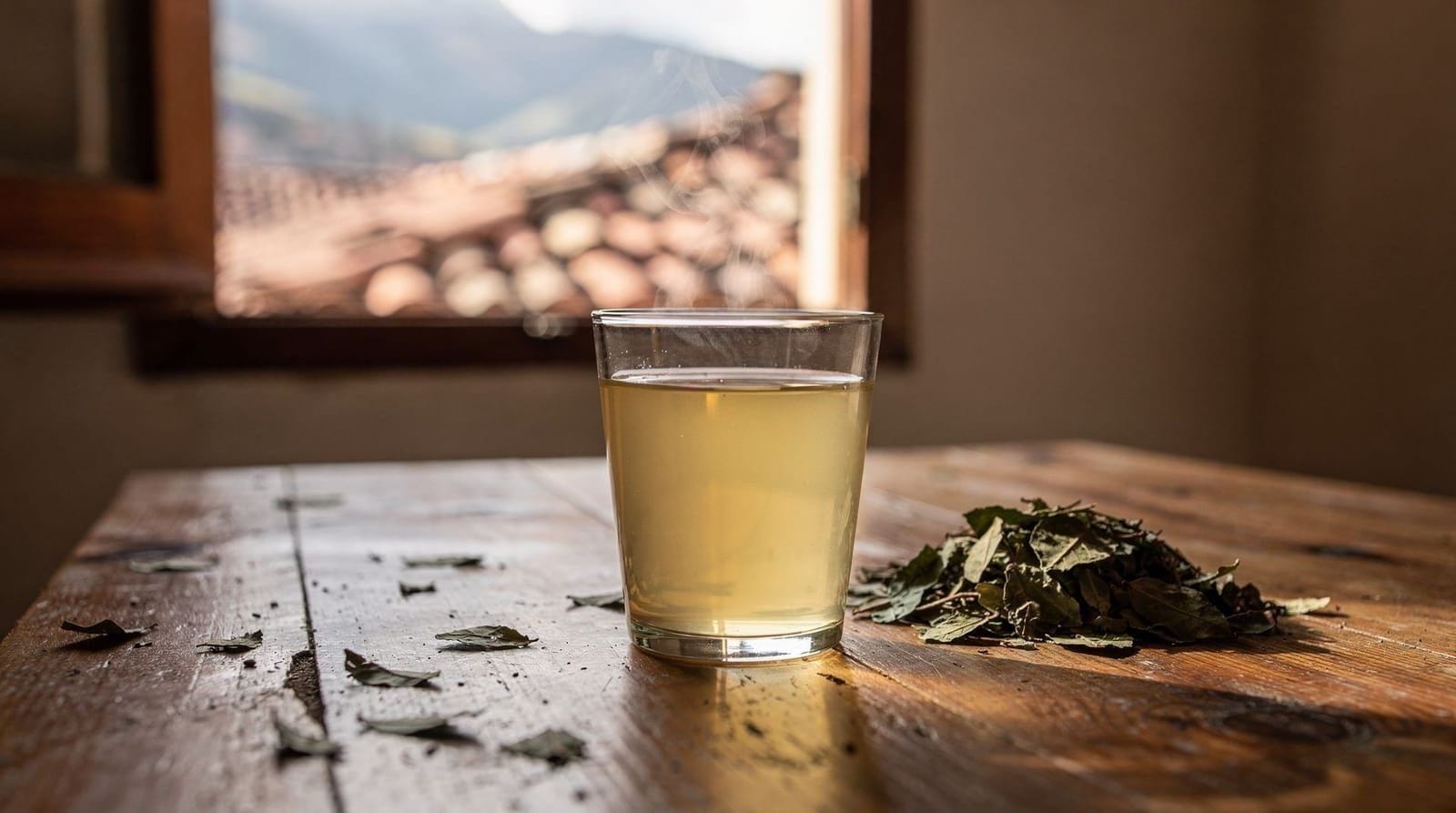
Coca tea, constantly. The hostel had a thermos going all night. It’s not a miracle, and the science on it is modest, but the warm fluid and the mild stimulant effect helped me keep sipping water down without being sick again. I go into the realistic version of what coca does and doesn’t do in the coca tea and remedies piece — short version, it helps a bit, it’s not a cure.
Water, far more than felt natural. Dehydration makes everything worse and the dry mountain air dehydrates you faster than you’d believe. I forced down maybe three litres over the night.
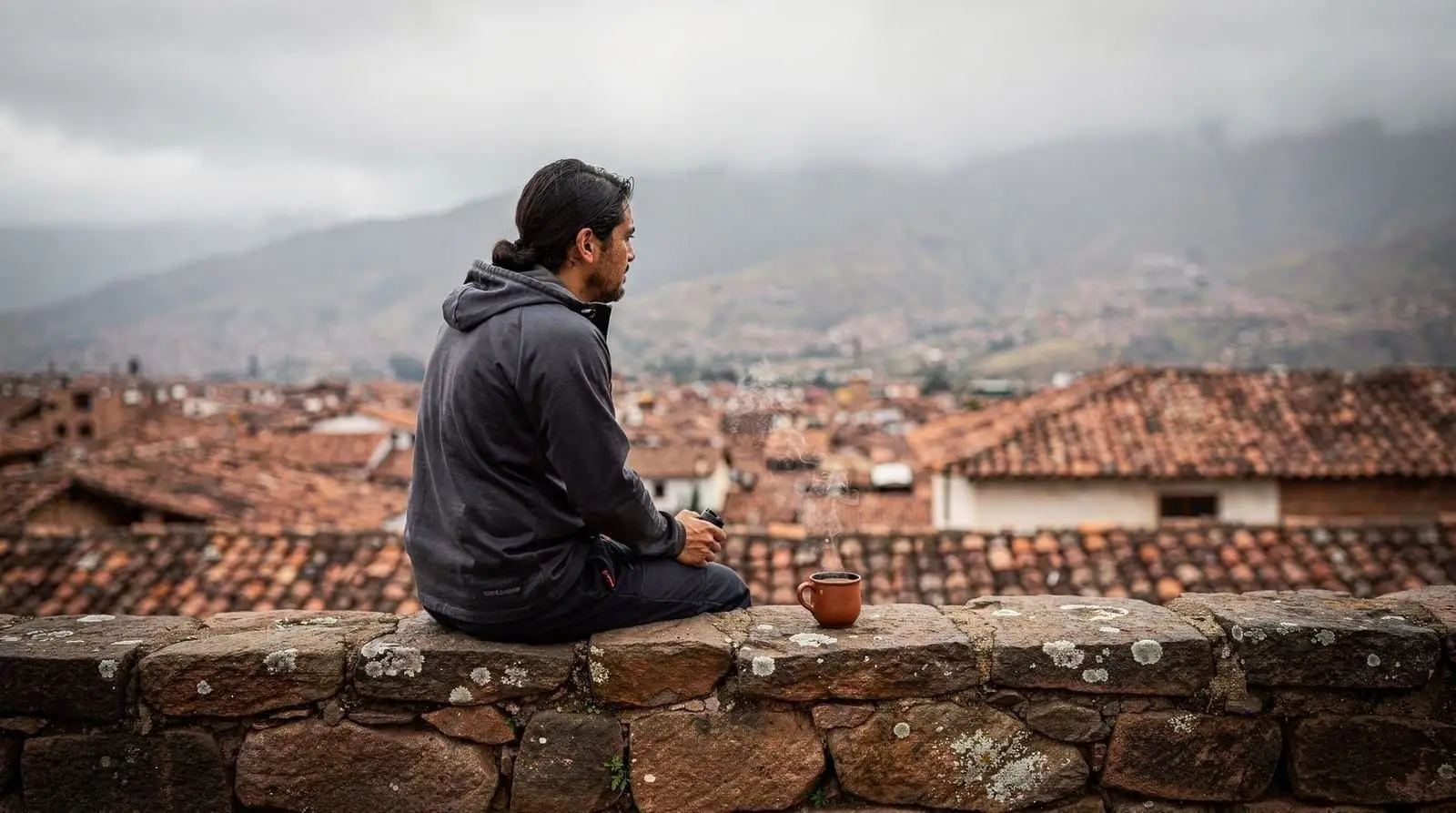
Doing absolutely nothing the next day. This was the big one. I cancelled everything for day three and stayed near the hostel. By that evening the headache had dropped from a nine to a three.
Soroche pills. The pharmacy two doors down sold me a strip of acetaminophen-and-caffeine “soroche pills” for S/10. Honestly I think the rest and water did most of the work, but they took the edge off the headache. A quick warning: there’s a lot of overpriced and dubious altitude product sold to tourists in Cusco, and I’d read the altitude medicine scams rundown before buying anything fancy — I nearly paid S/90 for a “premium oxygen booster” that was, as far as I can tell, sugar.
The thing I’d tell my past self
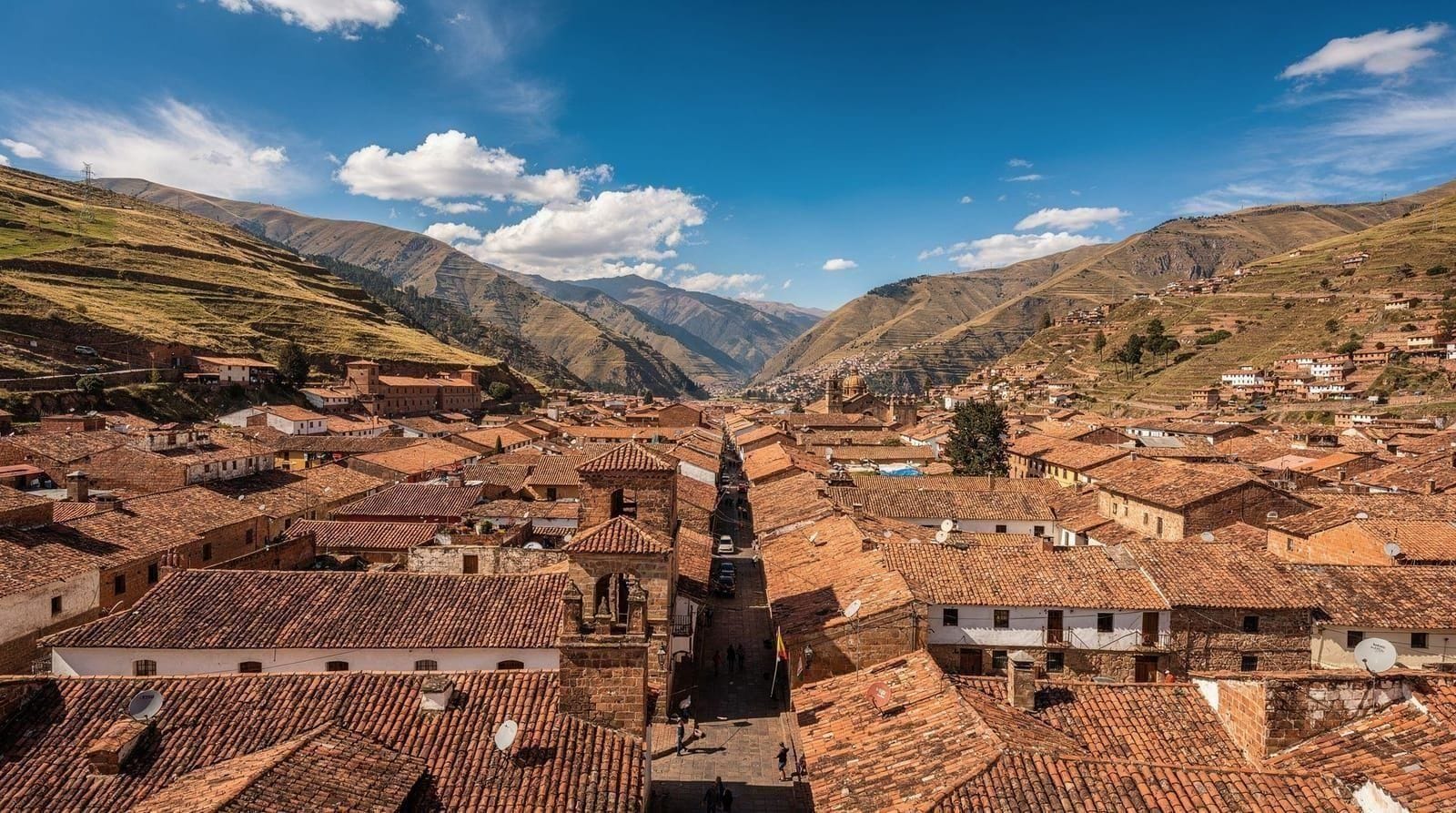
If I could go back I’d do three things differently. First, I’d spend my first one or two nights lower, in the Sacred Valley around Urubamba at roughly 2,800 metres, then come up to Cusco. Sleeping lower at the start is the single most effective trick and it’s what I now recommend to everyone. The acclimatization plan explains exactly how to sequence it.
Second, I’d ask my doctor about acetazolamide (Diamox) before the trip. I didn’t take it because I didn’t think I’d need it. A friend who came out the following year took it as a preventive and breezed through. It’s a prescription drug with its own side effects — tingling fingers, fizzy-tasting drinks — so it’s a conversation to have with a doctor, not a self-prescription. But I wish I’d had the option in my bag.
Third, and simplest: I’d have done nothing on day one and day two. No tour. No beer. Just slow walks and water. The Sacred Valley would still have been there on day four, and I’d have actually enjoyed it instead of being quietly sick on a bus past some of the most beautiful ruins in the country.
Did it ruin the trip?
No, and that’s the honest part. I lost effectively two days, which hurt on a ten-day trip. But once I’d acclimatised properly, the rest of Cusco and the Sacred Valley were extraordinary, and by the time I trekked later in the trip I felt strong. Your body does adapt — it just won’t be rushed, and it does not care how many half marathons you’ve run. Respect the altitude, give it the first couple of days, and you’ll probably avoid the bathroom floor entirely.
What I’d book differently next time
If I were planning this trip again, I’d structure the first two nights around the Sacred Valley itself rather than bolting altitude recovery onto a Cusco-first plan, booking a guided day tour for day three or four once already partly acclimatised at the lower elevation — a much kinder sequence than what I did, arriving straight into Cusco and going up to altitude before the body’s had a chance to adjust at all. It also means if you do have a rough first night, you haven’t wasted a paid tour slot on a day you can barely function.
Sacred Valley full-day tourI’d also flag Machu Picchu’s own altitude as a separate thing to plan around — it sits lower than Cusco at around 2,430 metres, so most people find it easier once they’re already acclimatised, but it’s not automatic. And if your itinerary includes Rainbow Mountain, which tops out well over 5,000 metres, that’s a genuinely different level of altitude stress again — don’t assume that because Cusco went fine, the highest point of your trip will too.