Lake Titicaca Uros and Taquile day tour: an honest review
Puno: Full-Day Tour of Lake Titicaca and Uros & Taquile
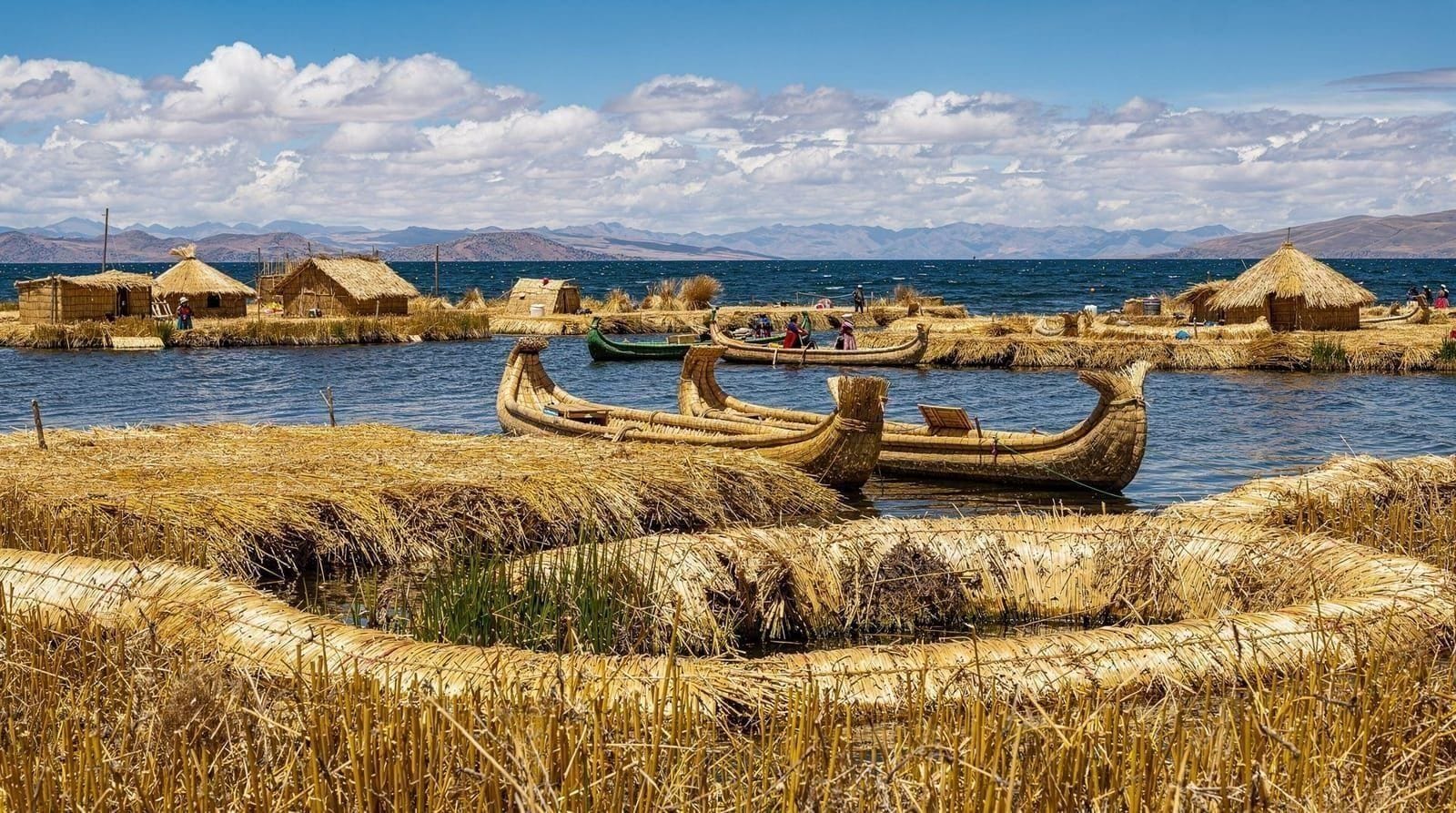
The Uros floating islands are one of Peru’s most marketed sights and one of its most contested. Critics call the near-Puno islands a staged tourist trap; defenders point out that real Uros families still live there and that the income matters. The truth sits in between, and which tour you choose decides which version you get. This review covers the standard full-day Uros and Taquile tour from Puno, honest 2026 prices, and why the overnight option might be the better call.
| Where | Puno harbour, Lake Titicaca (~3,800 m) |
| Cost | around S/70-130 (USD 19-35) standard boat |
| Time needed | ~8-9 hours (full day) |
| Getting there | Hotel pickup in Puno, boat from the harbour |
| Best time | Dry season (May-Oct) for calmer water and clearer skies |
What the standard day tour covers
The classic full-day tour from Puno visits one Uros floating island and the natural island of Taquile, with lunch on Taquile and a slow boat crossing in between. You can book the full-day Lake Titicaca, Uros and Taquile tour, which is the standard product reviewed here.
A typical day includes hotel pick-up in Puno, transfer to the harbour, the boat to a Uros island for a short visit and demonstration, the longer crossing to Taquile, a walk up to the village, a local lunch, and the return. Guides explain the reed-island construction and Taquile’s UNESCO-recognised textile traditions.
What is usually included: boat, guide, and the island landing fees. What is often not included: lunch on some budget tours, tips, and the optional reed-boat ride at Uros (around S/10-15 / USD 3-4). Confirm before you pay. The fuller logistics of basing yourself in Puno are in the Puno destination guide.
Prices: what you should actually pay
In 2026, standard full-day Uros and Taquile tours run S/70-130 (USD 19-35) through Puno agencies and USD 30-55 online with better boats and English guides. Speedboat versions cost more. The slow standard boat is the default and the cheapest.
Realistic budget:
- Standard full-day tour: S/100 (USD 27) typical
- Optional reed-boat ride at Uros: S/10-15 (USD 3-4)
- Tips and crafts: variable
- Lunch (if not included): S/25-40 (USD 7-11)
The single biggest value question is not price-it is whether to do the day trip at all versus the overnight, covered below.
The Uros islands: managing your expectations
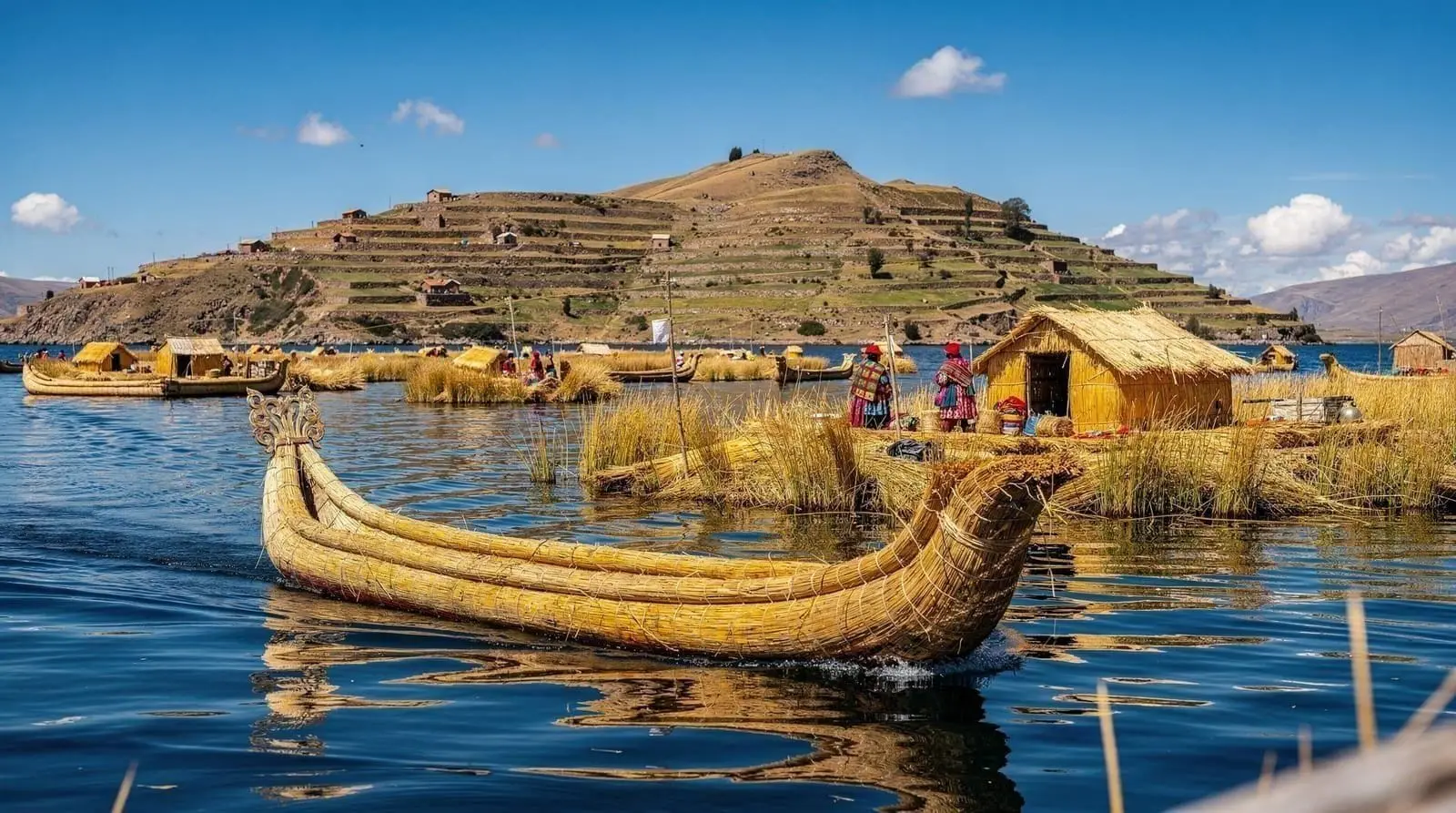
Be realistic about what the near-Puno Uros visit is. The islands closest to the harbour receive the bulk of the tour traffic, and the experience there can feel staged: a brief construction demonstration, a song, and then a fairly insistent push to buy textiles and reed crafts. None of this means the Uros are fake-the totora-reed islands are a real, centuries-old way of life, and the families do still live on them-but the commercial pressure on the front-line islands is undeniable.
The way to a better experience is choosing operators that go to farther, quieter islands, or opting for the overnight homestay that reaches communities with less foot traffic. The honest planner’s advice: treat Uros as a 45-minute curiosity, not the main event, and let Taquile carry the day.
Taquile: the genuine highlight
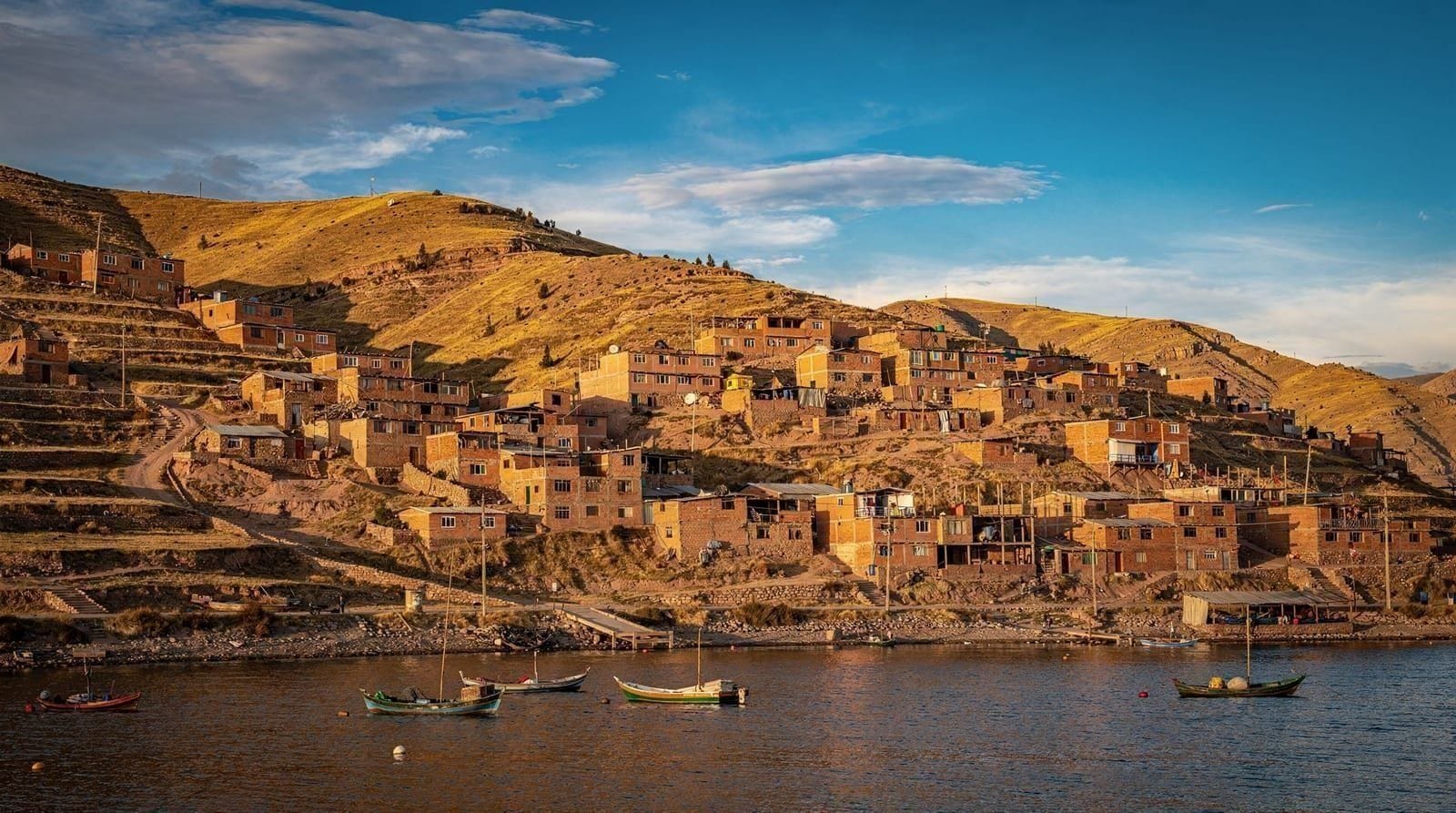
Taquile is where this tour earns its keep. It is a real, inhabited natural island with a strong communal culture and a textile tradition so distinctive it holds UNESCO recognition-here, it is the men who knit. The walk up from the dock to the main square is steep at 3,800-4,000 m, so pace yourself, but the views across the deep blue lake toward Bolivia are superb and the village feels lived-in rather than performed. Lunch is typically fresh lake trout, simple and good.
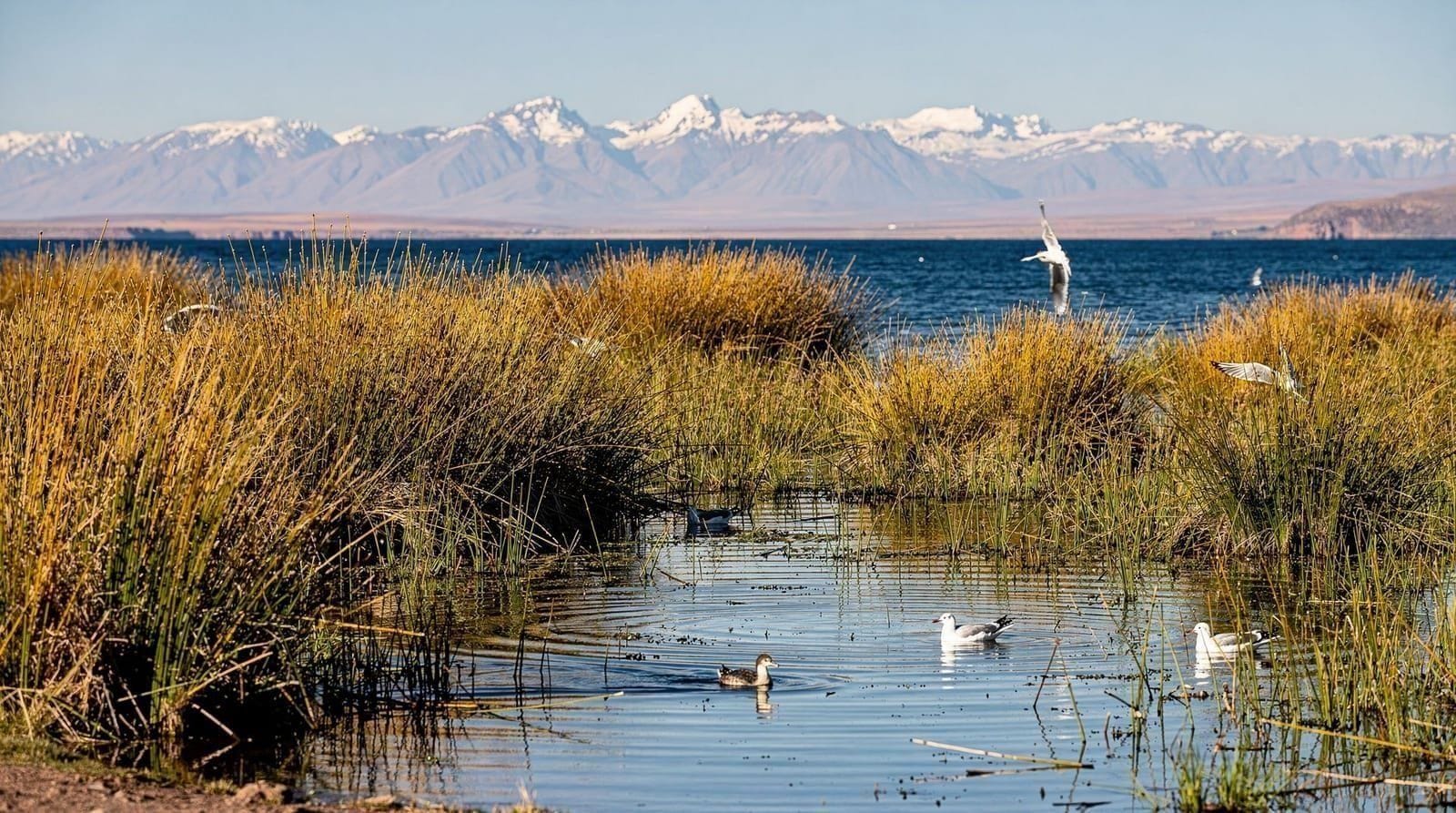
This is the part travellers remember. If you only have a day, the calculus is: tolerate the slightly touristy Uros stop to earn the genuinely rewarding Taquile afternoon. Wildlife-minded visitors should also read the Lake Titicaca wildlife guide for what to watch for on the crossing.
Day tour versus overnight: the real decision
| Option | Duration | Islands | Best for |
|---|---|---|---|
| Standard day tour | ~8-9 hrs | Uros + Taquile | Tight schedules, one-day samplers |
| Speedboat day tour | ~7-8 hrs | Uros + Taquile, more island time | Limited time, less patience for slow boats |
| 2-day homestay | ~24+ hrs | Uros + Amantani (overnight) + Taquile | Travellers wanting a real cultural experience |
The honest recommendation: if you can spare the time, the overnight wins decisively. The 2-day Lake Titicaca tour to Uros, Amantani and Taquile adds a family homestay on Amantani, which turns a rushed boat day into an actual encounter with lake life-shared meals, a community dance, and a night under famously clear high-altitude stars. If your schedule is fixed and short, the faster Uros and Taquile speedboat tour reclaims time lost to the slow crossing.
A realistic timeline of the day
The standard tour runs roughly like this: hotel pick-up in Puno around 6:30-7:00 am, transfer to the harbour, the slow boat to a Uros island for a 45-60 minute visit and demonstration, the longer crossing of around two hours to Taquile, the climb up to the village, a local trout lunch, time in the main square, and the return boat reaching Puno by mid-to-late afternoon. The speedboat version compresses the transit and gives you more time on the islands.
The honest observation is how much of the day is spent on the water-around three hours total on the standard boat. The crossing is scenic in good weather but can feel long and cold, and it is the main reason the speedboat upgrade exists. If you are prone to seasickness or simply impatient, factor this in.
Choosing a responsible operator at Uros
Because the near-Puno Uros islands are so heavily commercialised, the operator you choose materially changes the experience. Better operators rotate among more distant islands, spread tourist income across more families, and brief their guides to explain the reed-island way of life rather than rush you toward the souvenir tables. Cheaper, high-volume operators funnel everyone to the same front-line islands where the visit can feel like a transaction.
Ask, before booking, which islands the tour visits and how large the group is. A smaller group on a farther island is a completely different encounter from a packed boat to the nearest reed platform. This single choice does more for the quality of your Uros visit than the price difference suggests. The broader context of life on the lake is in the Lake Titicaca destination guide.
How Lake Titicaca fits a southern Peru route
Most travellers reach Puno as part of a southern circuit linking Cusco, the Sacred Valley, and Arequipa with the Colca Canyon. Titicaca is the high point-literally, at 3,800 m-of that loop, and its position makes it a natural pairing with Colca Canyon en route to or from Arequipa. Because Puno is higher than Cusco, the sensible plan is to acclimatise in Cusco or the Sacred Valley first and arrive at the lake already adjusted, which keeps the relaxed boat days genuinely relaxed rather than headache-prone.
Who this tour is for, and who should skip it
Book the standard day tour if you have one day in Puno, want to see the floating islands at least once, and are realistic about the commercial edges. It is a reasonable sampler.
Skip the day tour-and do the overnight instead-if you have time and want depth rather than a checklist tick. Skip Lake Titicaca altogether only if you are very tight on days and have to choose between this and a marquee site like Machu Picchu; the lake is special but it is a long detour. Note also that Puno is higher than Cusco, so arriving unacclimatised is a real risk-see the altitude sickness guide.
Practical tips
Bring sun protection and a hat-the reflection off the lake is intense even when the air is cold. Layer up: mornings on the water are bitter, afternoons can be warm. Carry small soles notes for crafts, the reed-boat ride, and tips. And manage your expectations at Uros while keeping them high for Taquile.
Getting from Cusco to Puno is its own decision-bus, train, or the tour-bus route via Sacred Valley sites-laid out in the Cusco to Puno transport guide. Many travellers combine Titicaca with a Colca Canyon leg toward Arequipa.
Best season to go: dry versus wet
| Season | Months | Water & sky | Trade-off |
|---|---|---|---|
| Dry season | May-Oct | Calm water, clear skies, cold mornings | Best photos, coldest pre-dawn pickups |
| Shoulder | Apr, Nov | Mostly dry, fewer crowds | Some rain risk |
| Wet season | Dec-Mar | Warmer air, choppier crossings | Hazy views, occasional cancelled crossings |
If your itinerary is flexible, the dry season months of May through October give the most reliable crossing and the clearest views of Taquile’s terraced hillsides and the lake’s edge toward Bolivia. Wet season is not a dealbreaker-Titicaca is a high-altitude lake, not a jungle-but pack a rain layer and expect a greyer horizon on the boat.
Group size and operator quality: why it matters more than price
Because both the Uros stop and the Taquile walk are shared with whoever else is on your boat, group size shapes the experience more than the brochure suggests. A packed 20-plus person boat means a rushed, transactional Uros visit and a crowded lunch table on Taquile; a smaller group of 8-12 gives the guide time to actually answer questions and lets you linger at the Taquile viewpoints rather than being herded back to the dock on a schedule. This is the single biggest lever you have over the quality of the day, and it costs surprisingly little extra.
When comparing operators, ask directly: how many passengers on the boat, and which specific Uros island do you visit. A vague answer is itself useful information. Reputable mid-range operators are usually happy to specify both, while the cheapest street-level agencies tend to consolidate passengers from several bookings onto whichever boat fills first.
Is the Lake Titicaca tour worth it overall?
It depends entirely on which version you choose and how you frame it. The standard day tour is a reasonable sampler if you accept that the near-Puno Uros stop is commercialised and let Taquile-the genuine highlight-carry the day. But if you have the time, the overnight homestay on Amantani transforms the trip from a checklist tick into a real cultural encounter, and that is the version most travellers come away raving about. Titicaca itself, the highest navigable lake on earth with its deep blue water and luminous skies, is special. The question is whether you experience it from the deck of a rushed day boat or from a family table on Amantani-and if your schedule allows, the latter is the clear winner.