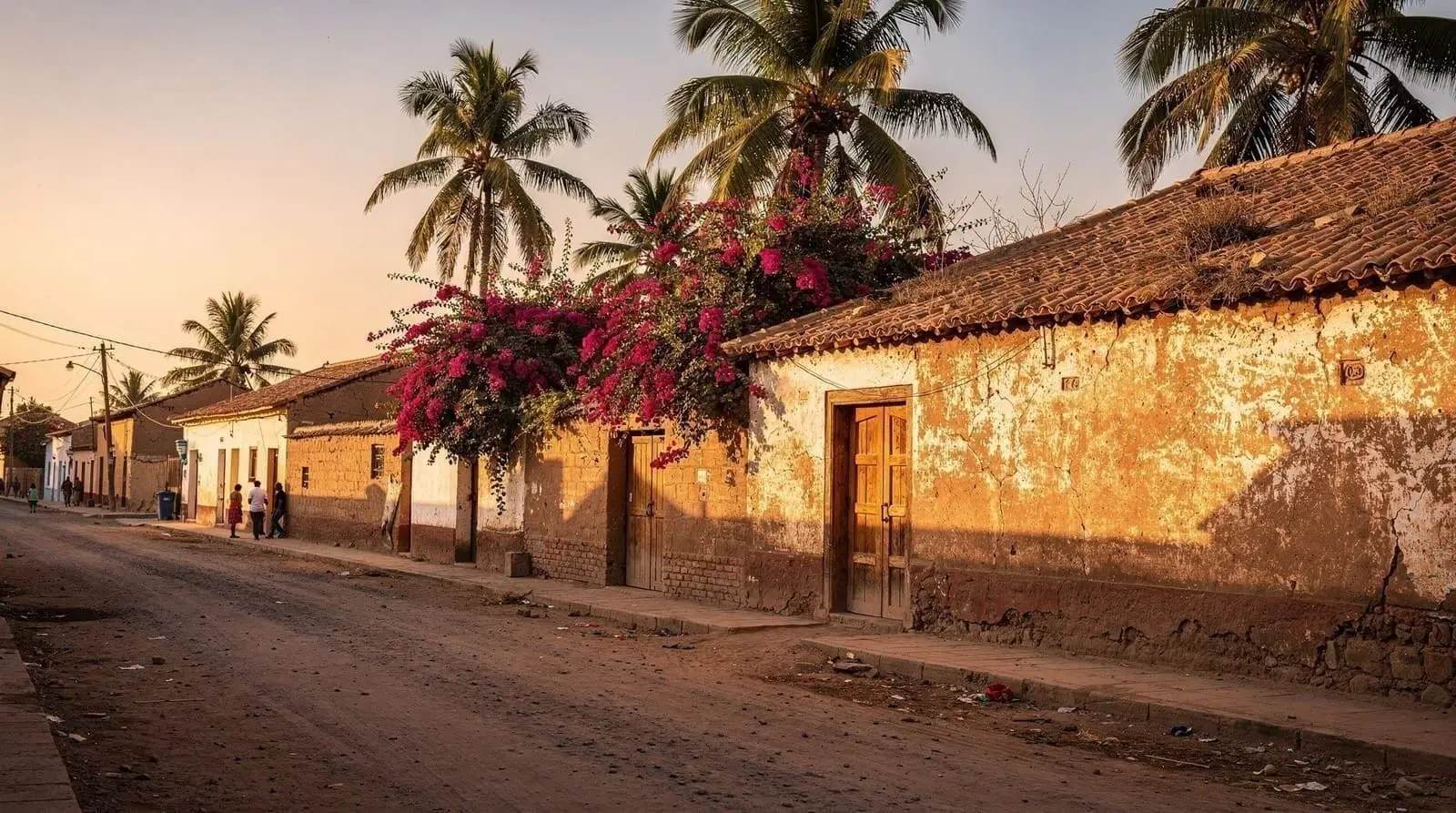
Chincha
A guide to Chincha on Peru's south coast — the heart of Afro-Peruvian culture, El Carmen's music and dance, haciendas, wineries and where it fits a trip.
From Ica or Huacachina: Wine and Pisco Vineyards Tour
Quick facts
- Location
- South coast, ~200 km south of Lima
- Known for
- Afro-Peruvian music, dance and food
- Cultural heart
- El Carmen district
- Best for
- Música criolla, haciendas, pisco and wine
- Signature festival
- Verano Negro (late February)
Chincha is the south-coast town most international travellers drive straight past, and they are missing the cultural heart of Afro-Peruvian Peru. Roughly 200 km south of Lima on the Panamericana Sur, between the capital and Paracas, Chincha Alta and its surrounding villages are where the descendants of enslaved Africans brought to colonial Peru built and preserved a living tradition of music, dance, food and faith that exists nowhere else in the country in quite the same concentration.
This is not a museum culture put on for tourists; it is a weekend in El Carmen where a peña fills with cajón rhythms past midnight, a Sunday lunch of carapulcra that takes a family all morning to cook, and a festival in February that turns the whole district into a stage. Chincha rewards travellers who are curious about the parts of Peru that the Inca-and-Andes circuit ignores.
| Where | South coast, ~200 km / 3 hours south of Lima |
| Time needed | Half day to 1 day (overnight only for Verano Negro) |
| Cost | Mostly free to explore; peñas/tastings around S/20–40 |
| Getting there | Panamericana Sur bus from Lima, ~3 hours |
| Best time | Late February (Verano Negro) or weekends year-round |
The heart of Afro-Peruvian culture
When Spain colonised Peru, it forced thousands of enslaved Africans to work the coastal haciendas — the cotton, sugar and grape estates of valleys like Chincha. Out of that brutal history grew a culture that fused African rhythm and movement with Spanish and Andean elements, and Chincha became its stronghold. Today the area is widely regarded as the cradle of Afro-Peruvian identity, and several of Peru’s most celebrated musical families and performers trace their roots here.
The signature instrument is the cajón, the wooden box drum that the musician sits on and slaps with bare hands — an instrument born of necessity when drums were banned and now central to all Peruvian coastal music. Alongside it you will hear the quijada, a percussion instrument made from the dried jawbone of a donkey, its teeth rattling when struck. The dances are physical and joyful: the festejo, fast and celebratory; the landó, slower and more sensual; the zapateo, a competitive foot-stamping duel of skill and stamina.
None of this is roped off in a museum case. Cajón builders still work out of home workshops in Chincha Alta and El Carmen, and if you ask around, some will let you watch or try one being made. Peruvian musicologists trace much of coastal música criolla — the guitar-and-cajón sound now heard across Lima’s peñas — back to families from this valley, which is why serious students of Latin percussion sometimes make a pilgrimage here specifically to study with older players.
El Carmen: where the music lives
The village of El Carmen, a short ride south of Chincha Alta, is the epicentre. This is where the great Afro-Peruvian dynasties such as the Ballumbrosio family made their home, and on weekends the peñas — informal music venues, often in family courtyards — come alive with live percussion, singing and dancing that locals join rather than just watch. If you can time a visit for a Saturday night, you will experience the tradition as it is actually lived rather than as a staged show.
El Carmen is also a place of religious processions and community fiestas through the year, when the music and dance spill into the streets. Asking around locally about what is happening that weekend will get you further than any printed schedule; this is a culture passed on by participation, not by ticket office.
Verano Negro and the festival calendar
The single best time to visit is late February, when Chincha hosts Verano Negro (“Black Summer”), the country’s flagship celebration of Afro-Peruvian heritage. For several days the district fills with music competitions, dance performances, food stalls, processions and crowds, drawing performers and visitors from across Peru. It is loud, packed and unforgettable — and accommodation books out well ahead, so plan early if you want to be there.
Outside Verano Negro, the local Catholic feast days and harvest celebrations around the El Carmen area carry their own music and processions. If your trip does not coincide with a festival, a weekend visit to the peñas still delivers the living tradition; the festivals simply amplify it.
Haciendas and their layered history
Chincha’s wealth was built on its haciendas, the great coastal estates worked by enslaved and later indentured labour. Several survive in some form, and a few have been turned into hotels, event venues or sites you can visit, offering a tangible link to the colonial economy that shaped the valley. Visiting them is a chance to reflect on the uncomfortable history beneath the region’s celebrated culture — the same estates that profited from forced labour are where the music and food that now define Chincha were forged.
Some of these properties also produce or display the area’s pisco and wine, tying the hacienda history to the south coast’s drinking traditions. Treat a hacienda visit as history with complexity rather than nostalgia; the most honest local guides will tell both sides of the story.
A handful of hacienda buildings — thick adobe walls, colonial chapels, courtyards shaded by centuries-old trees — have been restored as boutique hotels, and staying a night in one is the closest most travellers get to feeling the scale of the old estates. Ask staff about the property’s history rather than assuming; some hacienda hotels are candid about the forced-labour past, while others gloss over it in their marketing, and the difference is worth noticing.
Food: carapulcra, sopa seca and more
Chincha’s kitchen is one of the great pleasures of a visit and a cuisine you will rarely find done as well elsewhere. The dish to seek out is carapulcra, a rich stew of dried potatoes simmered with pork, peanuts, ají panca and spices, traditionally served alongside sopa seca — a “dry soup” of noodles cooked with basil, achiote and chicken. The pairing, known locally as la mancha pecho, is the Sunday lunch of the valley and a cornerstone of Afro-Peruvian home cooking.
You will eat best not in tourist restaurants but in the family-run picanterías and the home kitchens that open at weekends around El Carmen, where recipes are handed down rather than printed. Ask locally where to eat; the answer is rarely on a tourist map. Being a coastal valley, Chincha also has good ceviche and seafood, and the produce of its farms feeds a hearty, unpretentious table.
Pisco and wine in the valley
Like the rest of the south coast, the Chincha valley grows grapes and distils pisco, and several bodegas in and around the area produce both pisco and wine that you can taste at the source. These are generally smaller and less polished than the famous tourist-oriented wineries of the Ica valley further south, which makes them feel more authentic if a little harder to arrange. If structured tastings and visitor-ready tours are what you want, Ica is the better-organised option; if you want to drink pisco where it is quietly made by family producers, Chincha delivers.
| Chincha bodegas | Ica valley wineries | |
|---|---|---|
| Style | Small, family-run, informal | Larger, visitor-ready, some famous names |
| Booking | Usually walk-in or ask locally | Tours bookable in advance |
| Feel | Authentic, less polished | Structured tastings, easier for first-timers |
For a ready-made tasting circuit with transport included, a guided day trip through the Ica valley bodegas is the simpler option if your time in the region is short.
Ica valley wine and pisco vineyards tasting tourGetting there and where it fits
Chincha sits directly on the Panamericana Sur, about three hours south of Lima by bus, and most long-distance services between Lima and the south coast pass through or near it. From Chincha it is roughly an hour and a half further to Paracas and the Ballestas Islands, and a little beyond that to Pisco, the Ica wine valley and the Huacachina oasis. Within Chincha, colectivos and mototaxis run out to El Carmen and the surrounding villages cheaply.
Honestly, Chincha is rarely a primary destination for a short Peru trip — the headline south-coast sights are the Ballestas wildlife, the Nazca Lines and the dune oasis. But for travellers with an extra day, an interest in music and culture, or a visit timed to Verano Negro, it is a rewarding detour that few foreigners make. It pairs naturally as a cultural stop on the way down from Lima to the rest of the coast.
For routing it into a wider trip, see the itineraries hub and the south-coast guides, and the things to do page for the region’s wider activities.
Practical planning
When to go. Late February for Verano Negro if you want the full festival; otherwise any weekend, when the peñas are active. April to November gives the driest, calmest coastal weather; February is hotter but is when the culture peaks.
Where to stay. Chincha Alta has functional hotels, and a few converted haciendas offer more atmospheric (and pricier) stays. During Verano Negro book far ahead. Many travellers visit Chincha as a day trip or half-day stop rather than staying overnight.
Getting around locally. Mototaxis and colectivos link Chincha Alta with El Carmen and the outlying villages for a few soles. A local guide or a family contact is the surest way to find the best peñas and home kitchens, which are not advertised.
A note on respect. This is a living community, not a performance laid on for tourists. Engage with the music and food as a guest — ask before photographing people, support the family venues, and approach the haciendas’ history with the seriousness it deserves.
Combining with the coast. Most visitors fold Chincha into a wider south-coast run — see the Paracas and Ballestas Islands guides for the wildlife-focused stops just beyond, or the Huacachina oasis if dunes and sandboarding are next on your route.
Frequently asked questions about Chincha
What is Chincha known for?
Chincha is the heart of Afro-Peruvian culture — the music (festejo, landó, cajón rhythms), dance, and food created by the descendants of enslaved Africans on the coastal haciendas. The village of El Carmen is its cultural centre, and the Verano Negro festival each February is its biggest celebration.
When is the best time to visit Chincha?
Late February for the Verano Negro festival, the country’s main Afro-Peruvian celebration. Otherwise, weekends are best, when the peñas (music venues) in El Carmen are active. April to November offers the driest coastal weather.
How do I get to Chincha from Lima?
Chincha is about three hours south of Lima on the Panamericana Sur, served by the main long-distance buses heading toward Paracas, Ica and Nazca. From Chincha it is around 90 minutes further to Paracas.
Is Chincha worth visiting?
For travellers interested in music, dance and Afro-Peruvian culture — or those visiting during Verano Negro — yes. It is not a headline sight like the Ballestas Islands or the Nazca Lines, so on a short trip many people skip it, but with an extra day it is a rewarding and uncommon detour.
What food should I try in Chincha?
Carapulcra (dried-potato stew with pork and peanuts) served with sopa seca (a “dry soup” of basil noodles) is the signature pairing. Seek it out in family-run picanterías and weekend home kitchens around El Carmen rather than tourist restaurants. The valley also has good ceviche and local pisco.
Can I see Afro-Peruvian music and dance outside the festival?
Yes. On weekends the peñas of El Carmen host live cajón-driven music and dancing that locals take part in, not just staged shows. Asking locally about what is happening that weekend is the best way to find the genuine venues.