Iquitos 3-day, 2-night guided Amazon jungle tour: an honest review
Iquitos: 3-Day, 2-Night Guided Amazon Jungle Tour
Iquitos is the largest city on earth with no road in or out, a frontier town reachable only by river or plane and the gateway to the deepest, most genuine stretch of the Peruvian Amazon. The 3-day, 2-night guided jungle tour is the most popular way to actually get out into the rainforest from here. This review covers what those three days look like, what’s included, the lodge reality nobody mentions in the brochure photos, and whether it’s the right length for you.
| Where | jungle lodge on the Amazon or a tributary, boat transfer from Iquitos |
| Cost | around USD 180–350 (S/660–1,290) per person, all meals included |
| Time needed | 3 days, 2 nights |
| Getting there | fly or boat to Iquitos first, then included road+river transfer |
| Best time | year-round; high water Dec–May, low water Jun–Nov, different trade-offs |
What this tour is, in plain terms
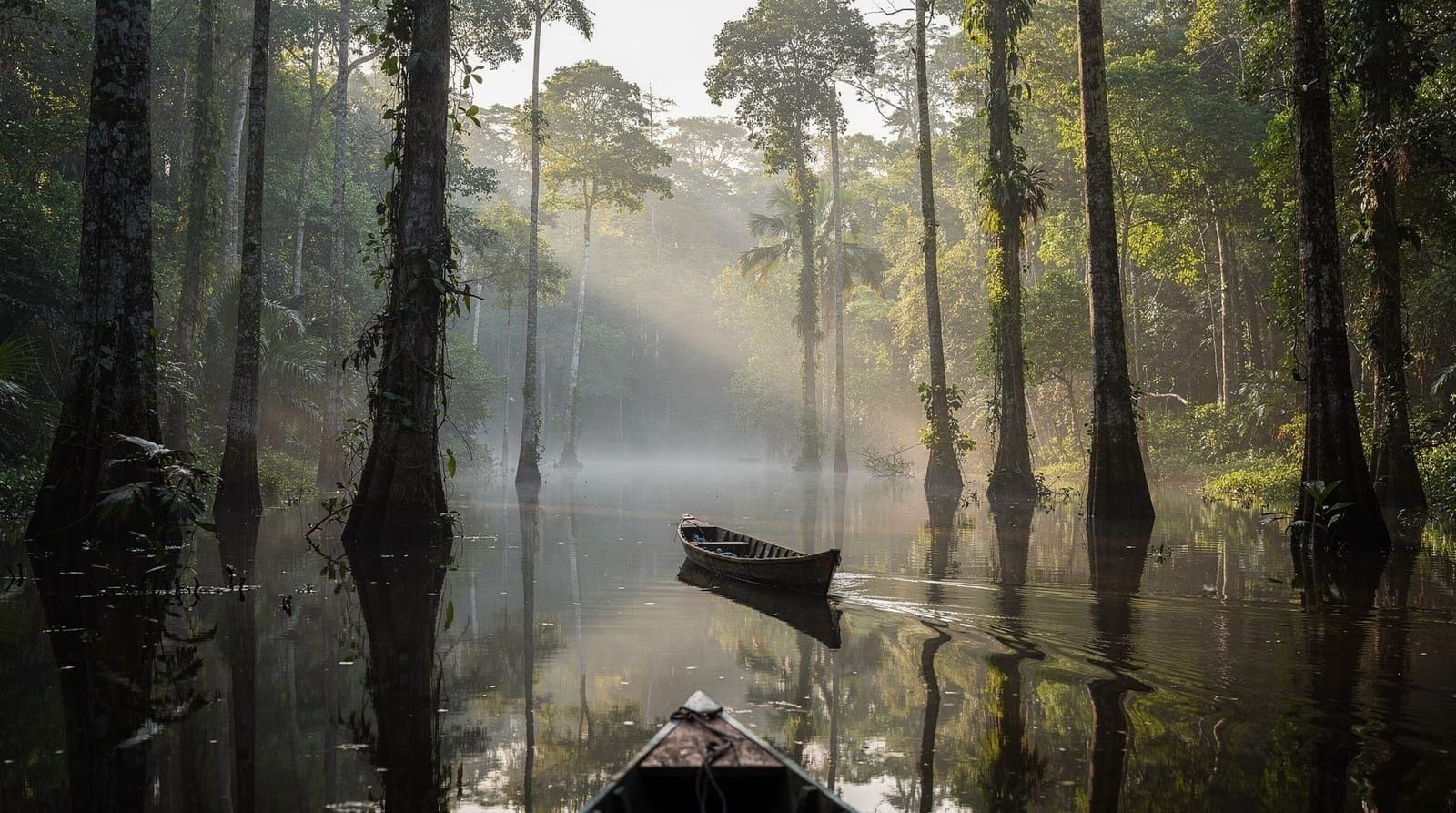
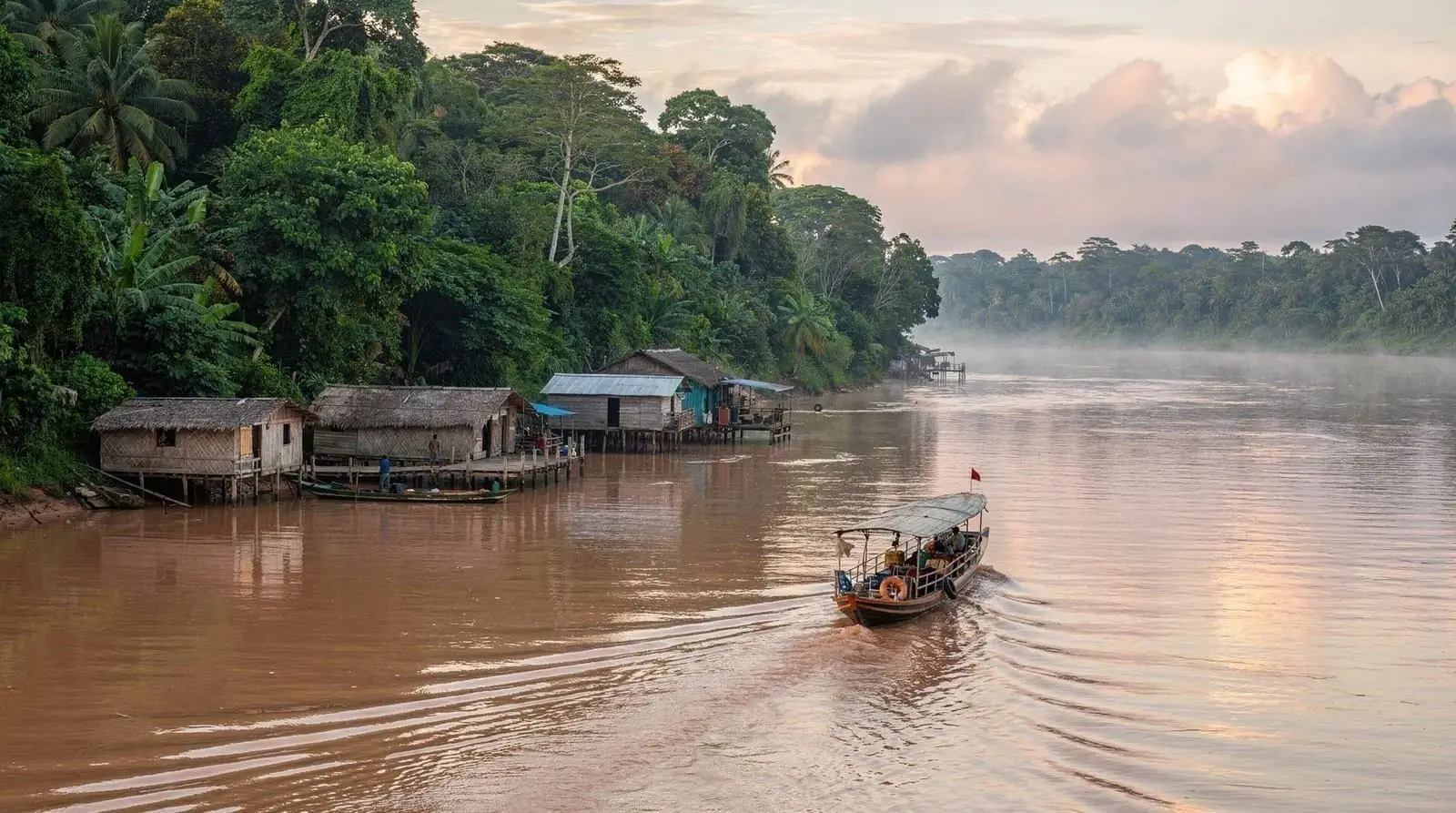
You’re picked up in Iquitos, taken to a river port, and ride a motorboat to a jungle lodge somewhere down the Amazon or a tributary like the Yarapa or Momón. Over two nights and three days a guide leads a rotating menu of activities: jungle hikes, a night boat to spot caimans, a dawn birdwatching trip, piranha fishing, a visit to a riverside community, and the highlight for most people, searching for pink river dolphins. On the third day you boat back and transfer out. It’s structured but informal, paced around the river and the weather.
Book the trip through the operator here:
Check the Iquitos 3-day, 2-night Amazon jungle tourWhat’s included and what isn’t
Included on the standard package:
- Round-trip transfers between Iquitos and the lodge by road and river
- Lodge accommodation for two nights, usually a bungalow with mosquito net
- All meals at the lodge from arrival to departure
- A guide and the daily activity programme
- Rubber boots, often provided in your size on arrival
Not included, and worth budgeting for:
- Flights to and from Iquitos (it’s domestic-flight or boat access only)
- Tips for the guide and lodge staff, which matter a lot to underpaid local crews
- Drinks beyond water, and any alcohol
- Travel insurance, strongly recommended for remote jungle travel
What it costs
A standard 3-day, 2-night tour typically runs USD 180–350 per person, or roughly S/ 660–1,290, depending on the lodge standard, group size, and how remote it sits. That price almost always includes all meals and activities, which makes the per-day cost more reasonable than it first looks since there’s nothing to buy in the jungle. Premium lodges with hot water and better food push well above this. Don’t choose on price alone; the cheapest options sometimes cut corners on guide quality and food.
The lodge reality
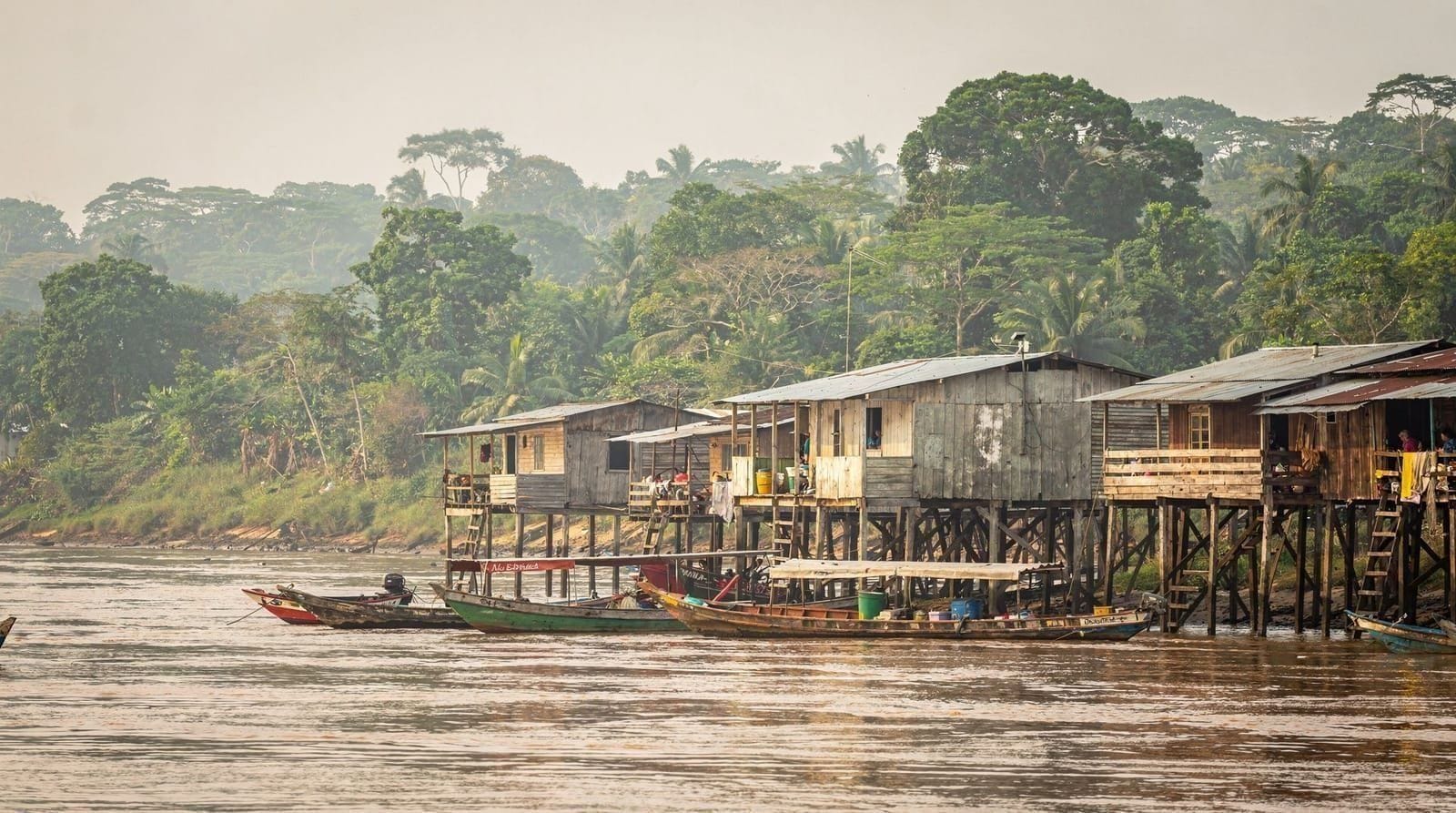
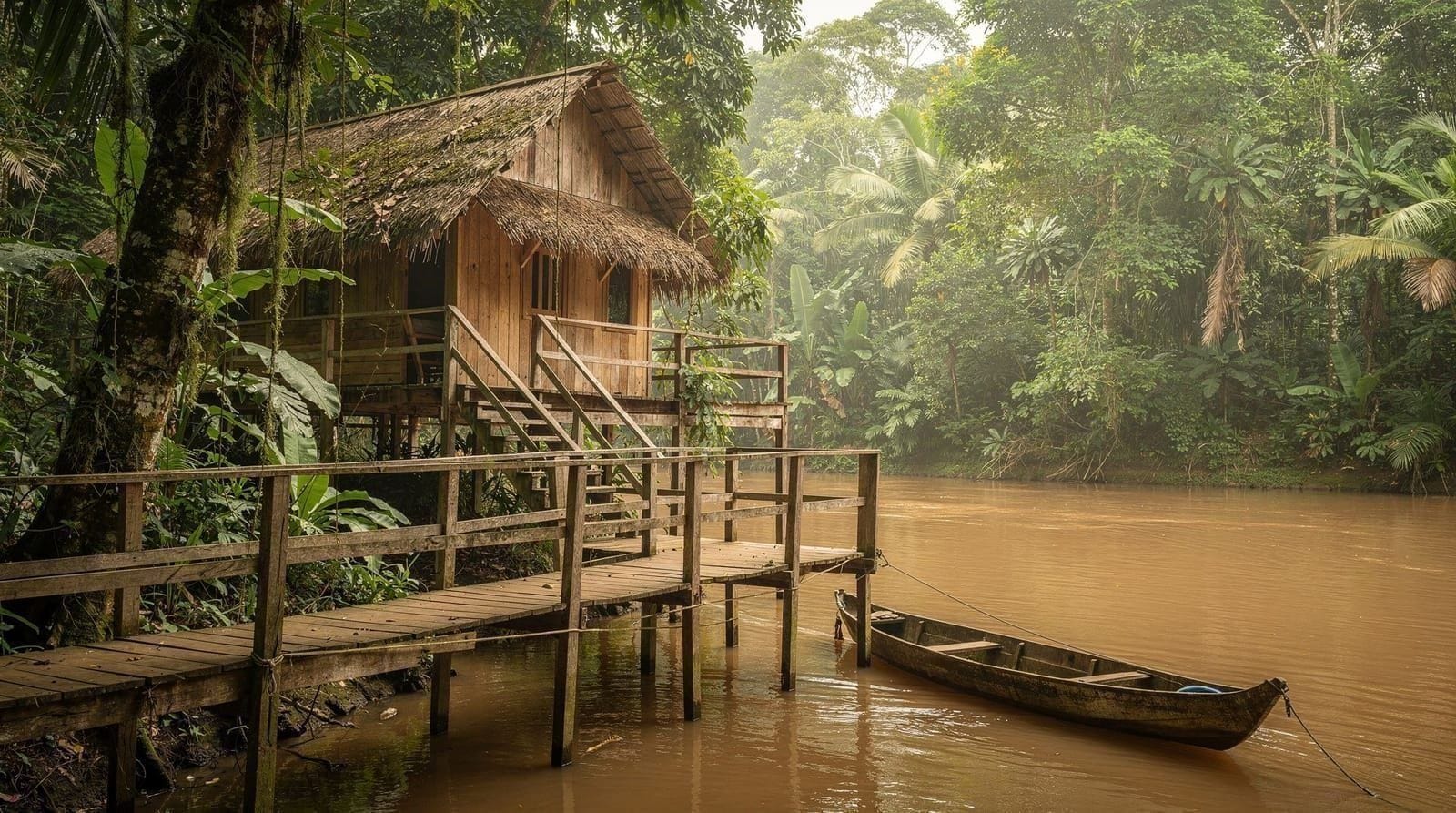
Brochure photos lean glossy. The honest picture: a wooden bungalow on stilts, a bed under a mosquito net, a cold-water bathroom, and electricity for only a few hours each evening from a generator. It’s clean and comfortable in a rustic way, not a resort. Bring a headtorch, a power bank, and patience with the bugs. If you want hot showers and reliable power, you need to pay for a premium lodge — our Iquitos jungle lodges guide breaks down the tiers honestly.
Who this tour is genuinely good for
This is ideal if you want a real, immersive Amazon experience and don’t mind roughing it a little. The three-day length suits travellers who have a few days in Iquitos and want depth without committing a full week. Families with older kids do well here too, as the dolphin trips and night walks are universally a hit.
It’s less suited to those expecting safari-style big-game viewing, anyone who needs creature comforts, or travellers tight on time who’d be better served by the two-day version. If your trip is built around Cusco and the south, weigh whether to do the Amazon from there instead — see how the regions differ in our Iquitos vs Puerto Maldonado comparison.
Wildlife: honest expectations
Set expectations correctly and you’ll love it. You’ll very likely see pink and grey river dolphins, dozens of bird species, several monkey species, caimans on the night boat, and a riot of insects and frogs. Sloths, anacondas, and big cats are possible but uncommon this close to Iquitos. The richest wildlife sits deeper in protected areas like Pacaya-Samiria, which longer expeditions reach. For the seasonal nuances of what you’ll see, our best time to visit the Peruvian Amazon guide is the place to start.
Alternatives worth comparing
- A shorter 2-day version if your schedule is tight or you want a taster.
- A more adventure-focused 3-day expedition with a similar timeframe but a different emphasis.
- A premium-lodge version if hot water and better comfort matter to you.
Practical tips before you go
- Pack light but smart: quick-dry clothes, long sleeves, a poncho, insect repellent with DEET, and a headtorch.
- Take a power bank; you can’t rely on charging in the jungle.
- Carry cash in soles for tips and the Belén market back in town; cards are useless at the lodge.
- Consider yellow fever vaccination and malaria prophylaxis; discuss with a travel clinic before you go.
- Spend a half-day in Iquitos itself; the floating houses and the Belén market are a striking contrast to the jungle.
For everything around the city itself, our Iquitos complete guide covers arrival, where to stay, and how to choose an operator.
Health prep before you fly to Iquitos
Talk to a travel clinic well before your trip, ideally four to six weeks ahead. Yellow fever vaccination is commonly recommended for jungle regions of Peru and some onward countries require proof of it, so carry your certificate. Malaria prophylaxis is a personal decision to discuss with a doctor based on your itinerary and health history — the standard 3-day lodge circuit near Iquitos carries lower risk than deeper multi-week expeditions, but mosquito bite prevention (repellent with DEET, long sleeves at dusk, sleeping under the provided net) matters regardless of what medication you take. Bring a basic first-aid kit with rehydration salts, antihistamine, and blister care, since the nearest clinic is a boat ride away.
Day-by-day: what the three days typically look like
Day one usually starts with the boat transfer from Iquitos, arrival at the lodge for lunch, an afternoon jungle hike to get oriented, and a night boat excursion to spot caimans by torchlight. Day two is the fullest day: an early birdwatching trip while the forest is most active, a midday visit to a riverside community or a piranha-fishing session, and the dolphin-watching excursion that most visitors rate as the trip’s highlight, often timed for late afternoon when pink and grey river dolphins surface more predictably.
Day three is a shorter morning activity — sometimes a final hike or a canopy walk if the lodge has one — before packing up and the return transfer to Iquitos in time for onward flights. Exact sequencing varies by lodge and water level, but this shape holds across most standard operators.