Kuélap Fortress and cable car tour from Chachapoyas: an honest review
From Chachapoyas: Kuélap Fortress and Cable Car Tour
Kuélap is the headline reason most travellers make the long haul to Peru’s northern highlands, and the cable car turned what used to be a knee-grinding day into something almost relaxed. This review covers the full-day guided tour that runs from Chachapoyas to the fortress and back, what you actually get for your money, and whether the guided version is worth booking over a do-it-yourself trip.
| Where | Kuélap Fortress, via Telecabinas cable car from Nuevo Tingo |
| Cost | around USD 35–60 (S/130–220) per person |
| Time needed | full day; roughly 2–2.5 hours actually inside the fortress |
| Getting there | 2hrs from Chachapoyas by road, included, then cable car |
| Best time | early morning ascent, before afternoon cloud rolls in |
What this tour is, in plain terms
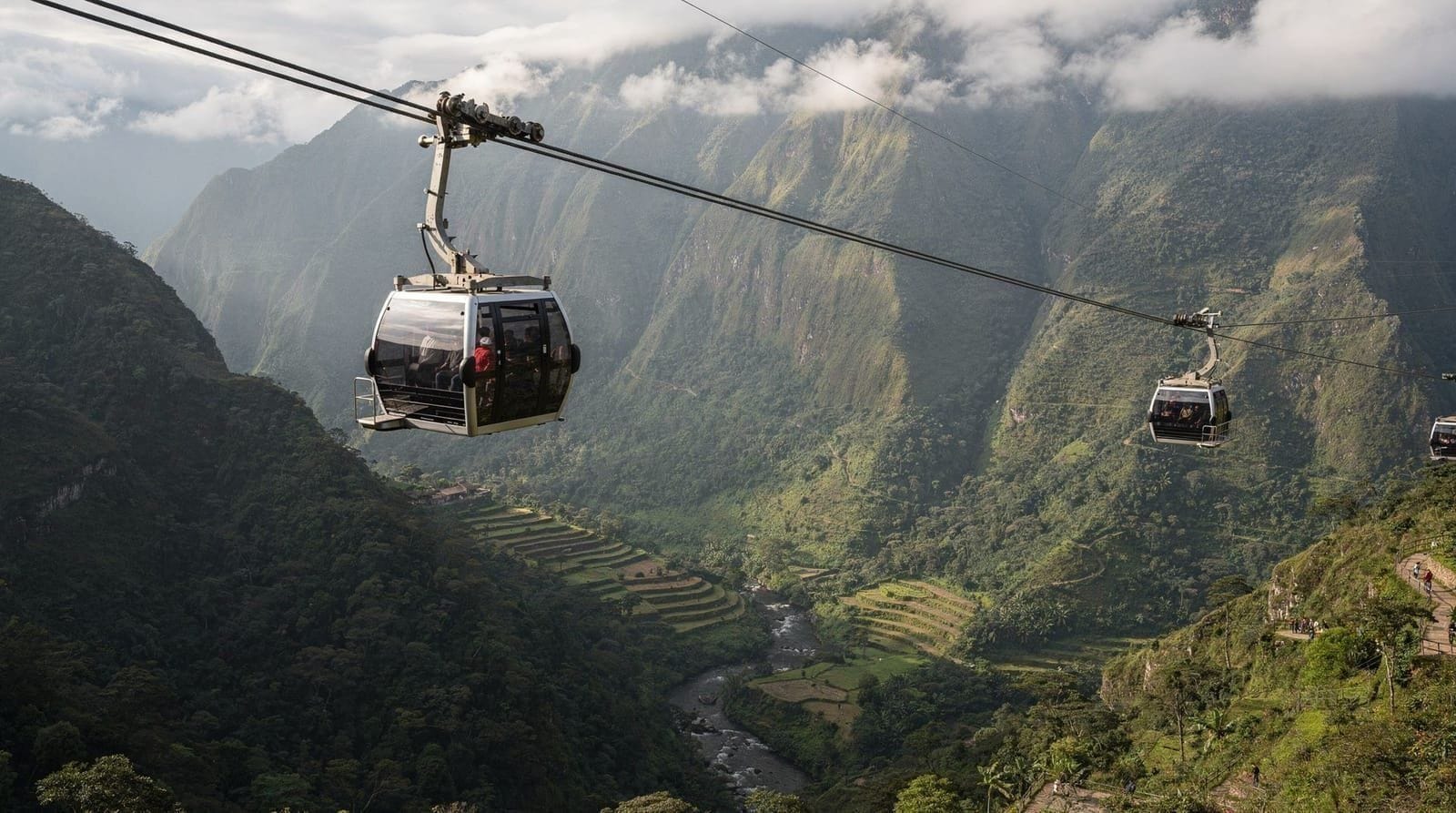
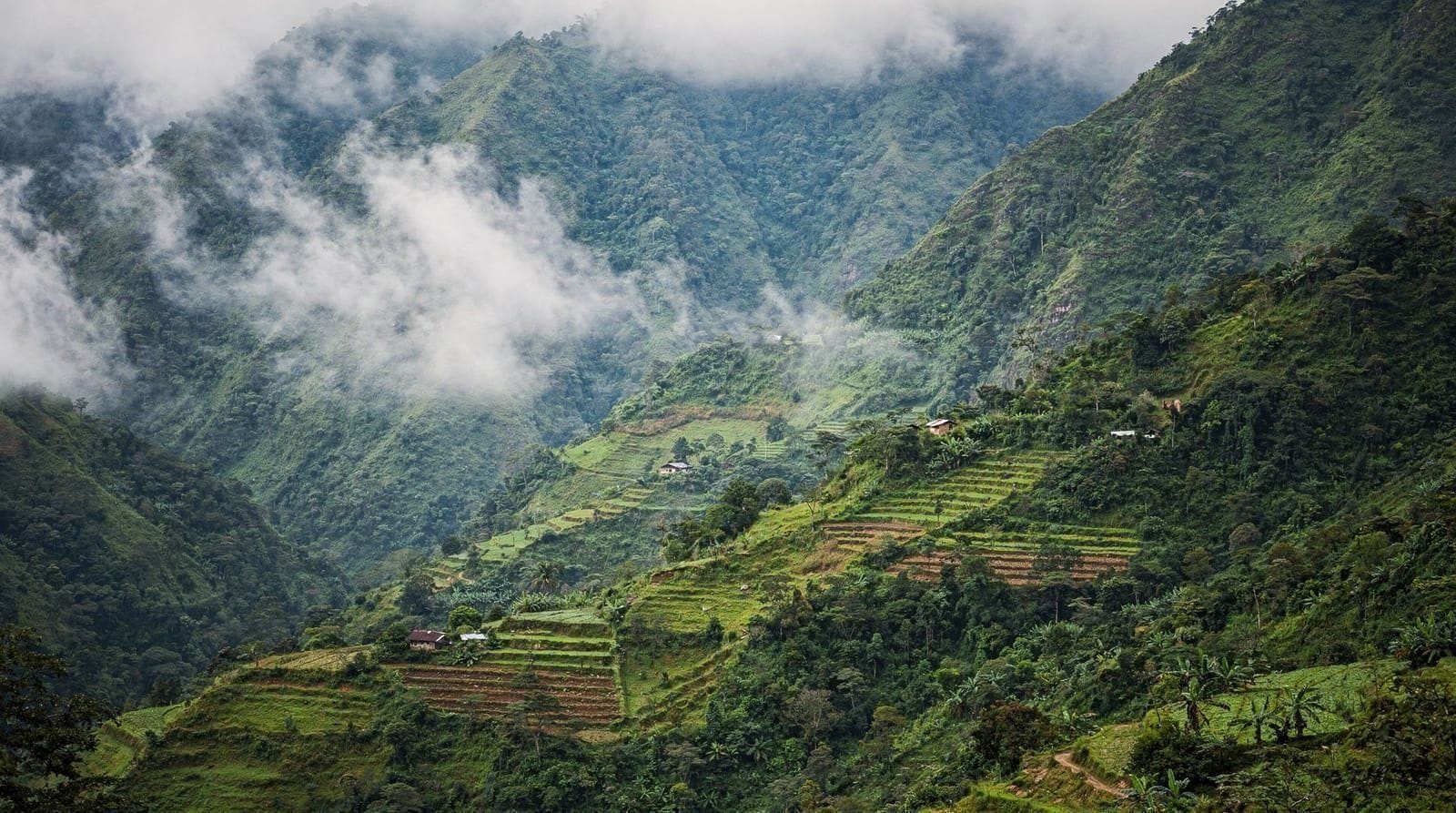
The tour collects you from your hotel in Chachapoyas in the morning, drives roughly two hours through the Utcubamba valley to the cable car base station at Nuevo Tingo, and rides the Telecabinas Kuélap up the mountain. From the upper station a short shuttle and a 20-minute uphill walk bring you to the southern entrance of the walled citadel. A guide walks you through the site, and then you reverse the whole sequence back to town. It’s a long day on the road for a couple of hours among the ruins, which is the honest trade-off of visiting anything in this region.
Book the day through the operator here:
Check the Kuélap Fortress and cable car tourWhat’s included and what isn’t
Included on the standard package:
- Round-trip hotel pickup and transport from Chachapoyas
- Cable car tickets both directions (this is the part that saves real money and time)
- A bilingual or Spanish-speaking guide at the site
- The Kuélap entrance fee in most listings
Not included, and worth budgeting for separately:
- Lunch. Most tours stop at a simple restaurant in Nuevo Tingo or María on the way down; expect to pay S/ 20–35 (about USD 5–9) for a set menu.
- Tips for the guide and driver, which are customary if you were happy.
- Drinks, snacks, and the small charge for the bathrooms at the stations.
Always reconfirm whether the entrance fee is bundled when you book, because a handful of cheaper listings quietly exclude it and you pay around S/ 30 at the gate.
What it costs
Expect to pay in the region of USD 35–60 per person for a group day tour, depending on season and how much is bundled. In soles that lands roughly between S/ 130 and S/ 220. The cable car alone is around S/ 31 round trip and entry is about S/ 30, so a fair chunk of the tour price is just the transport and guiding you’d otherwise arrange yourself. Private tours cost considerably more, often USD 100–150 for two, but you set the pace and skip the group-management delays.
Who this tour is genuinely good for
This is a solid pick if you’re short on time, don’t want to deal with colectivo timetables, and value a guide to make sense of the Chachapoya culture — the “cloud people” who built this in stone with almost no written record left behind. It’s also the path of least resistance if you’re nervous about the altitude or your fitness, since the cable car erases the old foot climb.
It’s less compelling if you’re an independent traveller on a budget who enjoys figuring out logistics, or if you want to linger for half a day taking photographs. In those cases the self-guided route described in our Kuélap fortress guide gives you full control over timing.
The site itself: what to expect
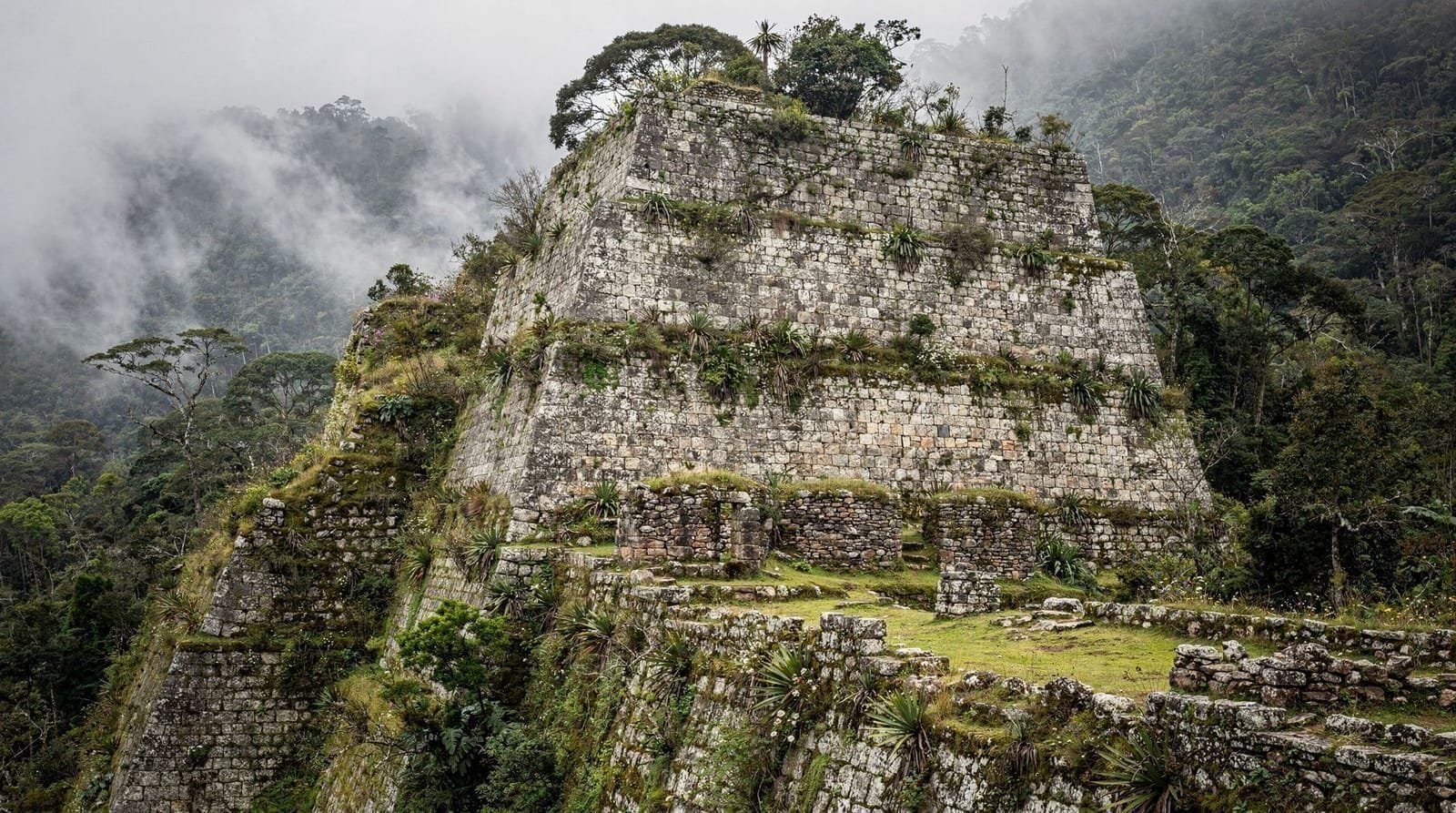
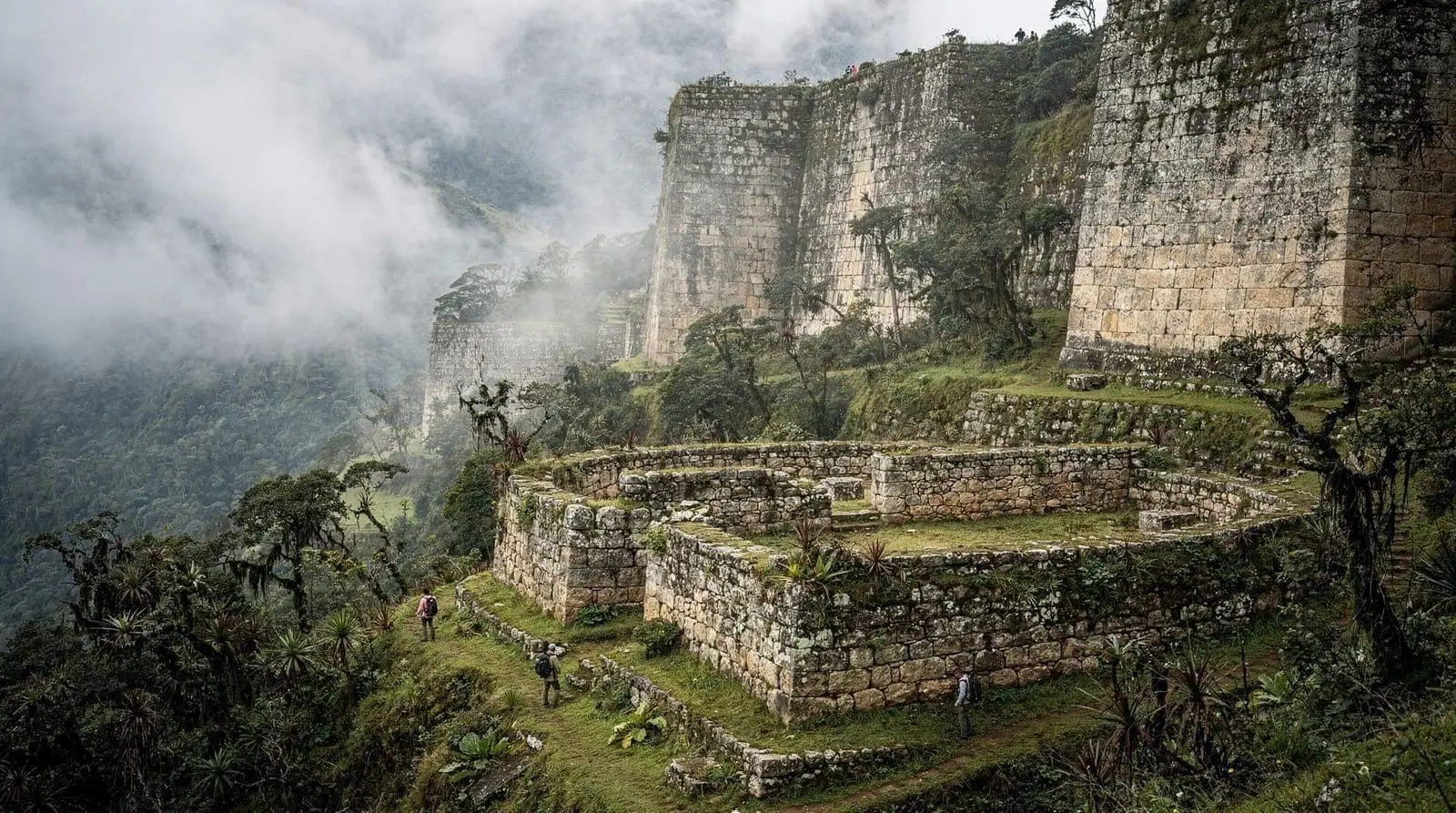
Kuélap predates Machu Picchu by centuries and its scale surprises people — the outer walls run up to 19 metres high and enclose hundreds of circular stone dwellings. It sees a fraction of Machu Picchu’s crowds, so you can stand on the ramparts in near silence with cloud forest dropping away on every side. If you’re weighing the two, our Kuélap vs Machu Picchu comparison lays out the honest differences in scale, access, and crowds.
The guiding quality varies. Some guides are genuinely knowledgeable about Chachapoya archaeology; others rush the circuit to make the cable car queue. If the history matters to you, say so at the start of the walk.
Cable car logistics worth knowing
The Telecabinas Kuélap is the comfortable, modern part of the day, but it has quirks. Wind can pause operations, and on busy mornings the queue at the base station eats into your fortress time. Going with a tour usually means your tickets are pre-bought, which helps. For the full breakdown of how the system works, see our Kuélap cable car guide.
Alternatives worth comparing
Before you commit, weigh a few options:
- A cheaper listing that bundles the cable car without round-trip guiding suits confident travellers who just want the transport sorted.
- A straightforward full-day fortress tour if you want the classic guided experience without extras.
- If you have a second day in the region, Gocta Waterfall is the natural pairing and a completely different landscape.
Many travellers do Kuélap on day one and Gocta on day two, which is exactly how we’d structure it in our Chachapoyas complete guide.
Practical tips before you go
- Start early. The cloud forest often clears in the morning and socks in by afternoon, so an early ascent gives you the best chance of views.
- Bring layers. Chachapoyas can be warm, but the fortress is exposed and cooler, and rain arrives without warning here.
- Wear shoes with grip. The interior stone is slick when wet and the surfaces are uneven.
- Carry cash in small soles for lunch, the gate, and tips; card acceptance is patchy in Nuevo Tingo.
For how this fits a wider trip up north, our northern Peru route guide sequences Chachapoyas with Trujillo and the coast.
Getting to Chachapoyas in the first place
Chachapoyas itself takes effort to reach, which is part of why Kuélap sees so few visitors compared with Machu Picchu. Most travellers fly into the small regional airport near Jaén or Chachapoyas town from Lima, or take an overnight bus from Chiclayo or Trujillo on the coast, a genuinely long haul of 10 or more hours on winding roads. Budget at least three to four days in the region once you are there — one for Kuélap, one for Gocta, and a buffer for weather delays, since flights to this part of the country are occasionally cancelled for fog. Our northern Peru route guide sequences the whole loop with Trujillo and the coast.
Weather and the cloud forest reality
Chachapoyas sits in cloud forest country, and the weather here is genuinely changeable even within a single morning. Mist often blankets the fortress by early afternoon regardless of season, which is the real reason every guide pushes for an early start rather than a leisurely late-morning departure. Rain can arrive with little warning year-round, though the driest, clearest stretch tends to run roughly June to September. Whatever month you visit, pack a rain shell and expect that photographs of the full site in clear light are somewhat a matter of luck rather than guaranteed timing.