Huacachina dune buggy and sandboarding tour review: the sunset run
Huacachina: Sandboarding and Dune Buggy Tour at Sunset
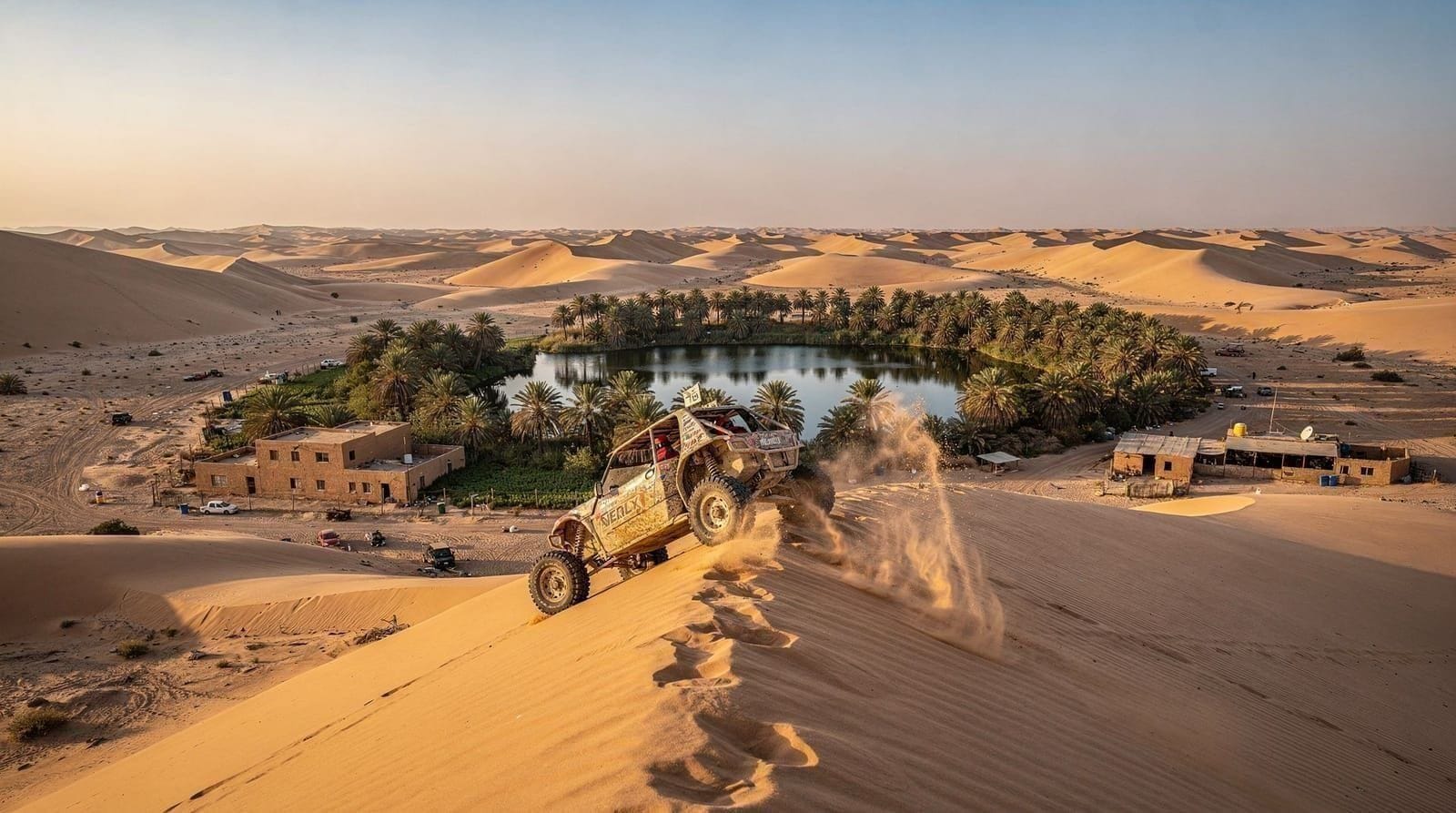
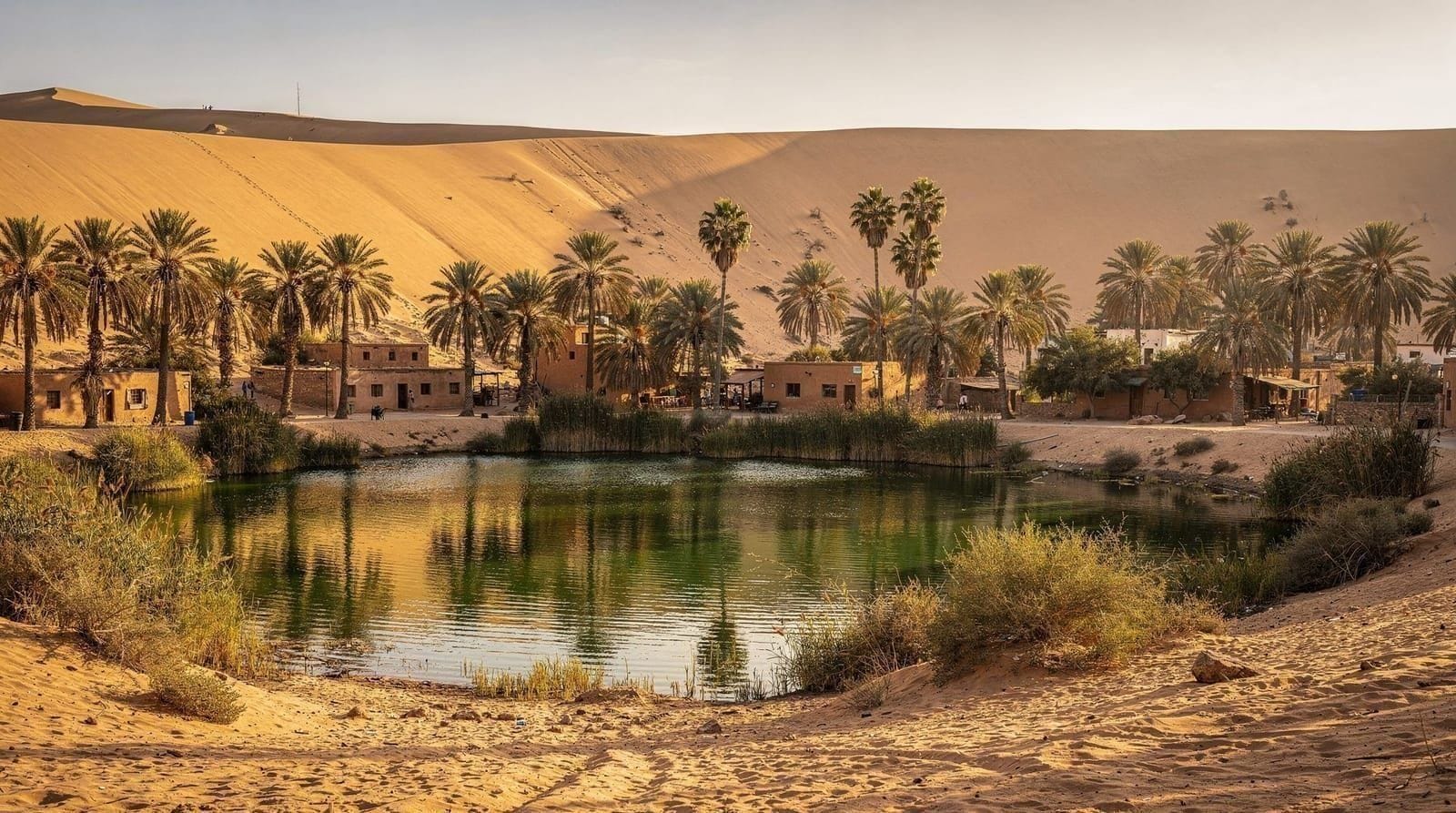
Huacachina is a tiny palm-fringed lagoon surrounded by some of the tallest sand dunes in the Americas, and almost nobody comes here to swim in the lagoon. They come for the dune buggies and the sandboarding, and the sunset run reviewed here is the most popular version of both. It is fast, loud, and genuinely fun, but it is also more physical than the marketing implies, and the operator you pick matters more than for almost any other tour on the south coast. Here is what the experience actually delivers and how to do it sensibly.
| Where | Huacachina oasis, near Ica on Peru’s south coast |
| Cost | around S/60–120 (USD 16–32) |
| Time needed | about 1.5–2 hours, late afternoon into sunset |
| Getting there | walk out from the oasis, or pick-up from Ica town |
| Best time | year-round; May–September for milder afternoons |
What the tour actually includes
A driver collects you near the oasis in an open-frame buggy seating six to ten people, then climbs out into the dune field that surrounds Huacachina. The first phase is the buggy ride itself: ten to twenty minutes of charging up and down dune faces, cresting ridges, and dropping into bowls. Between the wilder sections the driver stops at progressively steeper slopes for sandboarding, handing out waxed boards.
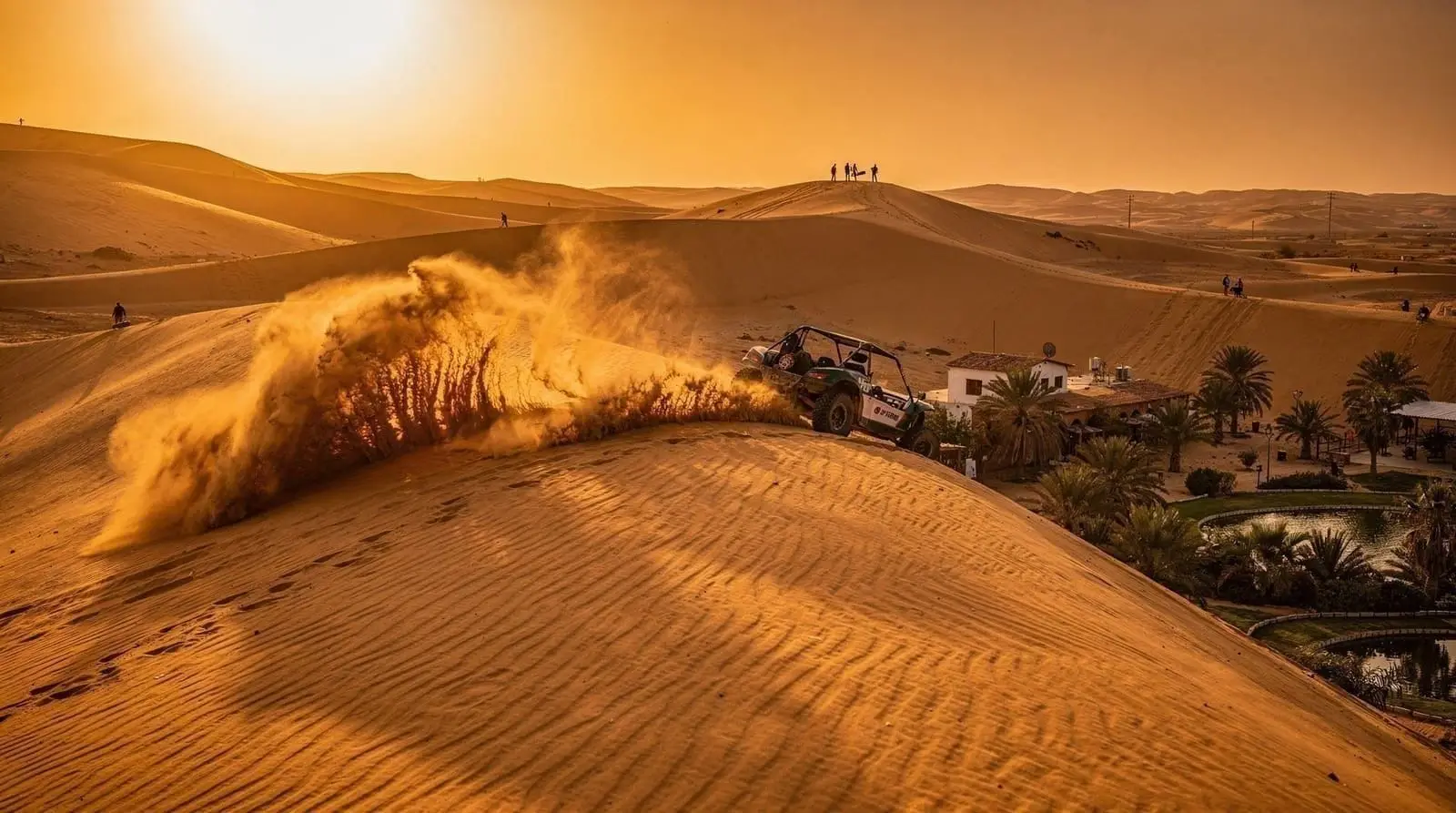
The sandboarding is graduated. You start on a modest slope to get the feel of it, then move to taller, faster faces. Most people ride prone, head-first, which is quick and forgiving. The whole loop is timed to put you at a high vantage point as the sun sets over the dunes for photos before the buggy runs you back to the oasis.
Included: the buggy, the driver, board hire, and wax. Not included on most listings: the Huacachina lagoon access or municipal fee where charged, and any food unless you booked the picnic version. Wear clothes you do not mind filling with sand, because you will.
Check prices and sunset departure times for the dune buggy tourPrice reality: soles, dollars, and value
The sunset buggy-and-sandboard tour typically runs S/60 to S/120 (roughly USD 16 to USD 32), making it one of the cheapest high-adrenaline activities in Peru. The price varies with season, group size, and whether you book at a hostel desk in Huacachina or through an operator in advance. There are no large hidden fees, which is a refreshing change from the Paracas and Nazca circuits, though a small lagoon or municipal charge sometimes applies.
For the money, it is excellent value: an hour and a half to two hours of genuine adventure for the price of a restaurant meal. The picnic and longer versions cost more and add food or extra dune time, but the core sunset run is the essential experience.
What we liked
The buggy ride is a proper thrill, closer to an off-road roller coaster than a sightseeing drive, and the drivers know the dunes intimately. The sandboarding is more fun than expected; hurtling down a hundred-metre face on your stomach is fast and addictive, and the graduated slopes let nervous first-timers build up. The sunset light over an endless sea of dunes is the real payoff, and it photographs beautifully.
It is also blessedly simple. No early start, no long transfer, no fee gauntlet. You walk out from the oasis, ride, and are back for dinner.
What we did not like
The ride is jolting. The drops and crests can wrench your back and neck, and there is no gentle setting; if you have any spinal issues, this is not for you. Standing sandboarding is oversold: the steep dunes are done prone, and you only get to try standing on tame slopes, so do not book expecting a snowboarding session.
Sand gets into everything: ears, camera, phone, shoes. And operator quality is uneven. A minority of drivers show off recklessly, and a few buggies are poorly maintained. Booking with a reputable operator rather than the cheapest hostel touts is the single best safety decision you can make. Our Huacachina dune buggy guide goes deeper on choosing a crew.
What the sandboarding is actually like
The sandboarding is the half people underestimate. The boards are wooden or laminate planks with simple foot straps and a waxed base; the driver rubs on fresh wax before each run, because the friction of dry desert sand is far higher than snow. On the first, gentlest slope you learn to lie chest-down with your toes hooked over the back edge and your elbows tucked, which steers and brakes. By the third slope you are dropping a hundred-metre face at genuine speed, and the rush is closer to a luge run than anything you would call boarding.
Standing up, snowboard-style, is romanticised in the marketing and rarely delivered on the big dunes. The sand does not carry an edge the way snow does, the slopes are steeper than they photograph, and a fall at speed on a standing board is how people sprain wrists and ankles. Operators sensibly keep the steep runs prone. If you are set on trying to stand, ask for a mellow slope and accept that you will spend more time falling than gliding. Either way, expect to climb back up a short way between runs, which is harder work than it looks in the soft sand.
When to go and how the seasons change the dunes
Huacachina is dry and rideable year-round, which is one of its attractions, but the experience shifts with the calendar. The Peruvian summer, December to March, brings real heat, often above 30°C, which is why the sunset slot exists; midday rides in summer are punishing. The cooler May-to-September months give milder afternoons and the clearest skies, and tend to be the most comfortable for the buggy and the climbs between sandboard runs.
Wind is the variable that matters most day to day. Mornings are usually calm; by mid-afternoon the desert breeze picks up, which cools you but also kicks sand into the air. The sunset window is a compromise: late enough that the worst heat has passed, early enough that you still have light for the steeper runs. Whatever the season, the dunes themselves are vast and shift slowly, so the operators simply move to whichever faces are in the best condition that week. For where to base yourself and how the oasis fills a longer stay, see our Huacachina guide.
Who this tour is for
This is ideal for active travellers, backpackers, and anyone with a free afternoon on the Lima to Nazca route who wants a hit of adrenaline without a big budget. It suits families with teenagers well, since the prone sandboarding is accessible and the buggy is a shared thrill. It pairs naturally with a vineyard and pisco afternoon; see our Ica vineyards and pisco guide.
It is the wrong tour for anyone with back, neck, or heart conditions, for very young children, and for travellers who want a calm scenic outing rather than a physical one. If you simply want the dune scenery without the violence of the ride, a sunset walk up the dunes from the oasis gives you the views without the jolts.
How it compares to the other Huacachina options
The Ica-departure version is essentially the same experience with a pickup from Ica town, useful if you are not staying at the oasis itself. The picnic version adds food and a longer stop, turning the run into a more leisurely outing at a higher price. The full-day Paracas, Ica, and Huacachina combo from Lima bundles the dunes with the Ballestas boat and a vineyard, which is efficient but rushed; you get a taste of the buggies rather than a full session.
Use the comparison table on this page to decide between the standalone sunset run and the bundled day trips.
Book the Huacachina sunset dune buggy and sandboarding tourPractical tips before you ride
Go on the sunset departure for the light, but arrive with daylight to spare so the steeper sandboard runs are not done in the dark. Wear closed shoes and sunglasses, and tie back long hair. Leave non-essential electronics behind or seal them in a bag, because fine sand destroys camera and phone ports. Empty your pockets before each sandboard run; phones fly out on the drops. And eat lightly beforehand, since the buggy ride is jarring on a full stomach.
For where to stay, when to come, and what else fills a day at the oasis, see our Huacachina guide and the Huacachina destination page.
Choosing a safe operator
Because buggies and drivers vary so much in quality here, spend two minutes checking before you hand over cash. Look for a roll cage, working seatbelts for every seat, and a driver who is visibly sober and not showing off to a crowd before departure. Reputable operators tend to run newer or well-maintained vehicles, brief you clearly on holding on during drops, and pace the ride to the group rather than racing other buggies on the dunes.
If a driver seems to be performing for an audience or ignoring your discomfort, ask them to slow down — you are allowed to, and a decent operator will comply without attitude. Booking through your hostel or a known agency rather than the cheapest street tout in Huacachina is the single easiest way to filter for this.
Injuries and who should sit this one out
Most visitors come away with nothing worse than sand in unexpected places, but the buggy’s drops and hard banking genuinely strain the back and neck, and falls at speed on sandboard runs (more often on standing attempts than prone ones) can produce sprained wrists or ankles. Pregnant travellers, anyone with a recent back or neck injury, and people with heart conditions should skip the buggy entirely; a calmer alternative is walking up the dunes at sunset for the same golden-hour views without the physical toll. Children should be old enough to grip the roll bar and follow instructions — most operators set a rough age or height minimum, so ask before booking with young kids.